Skip to content

Yoshio Nishihata

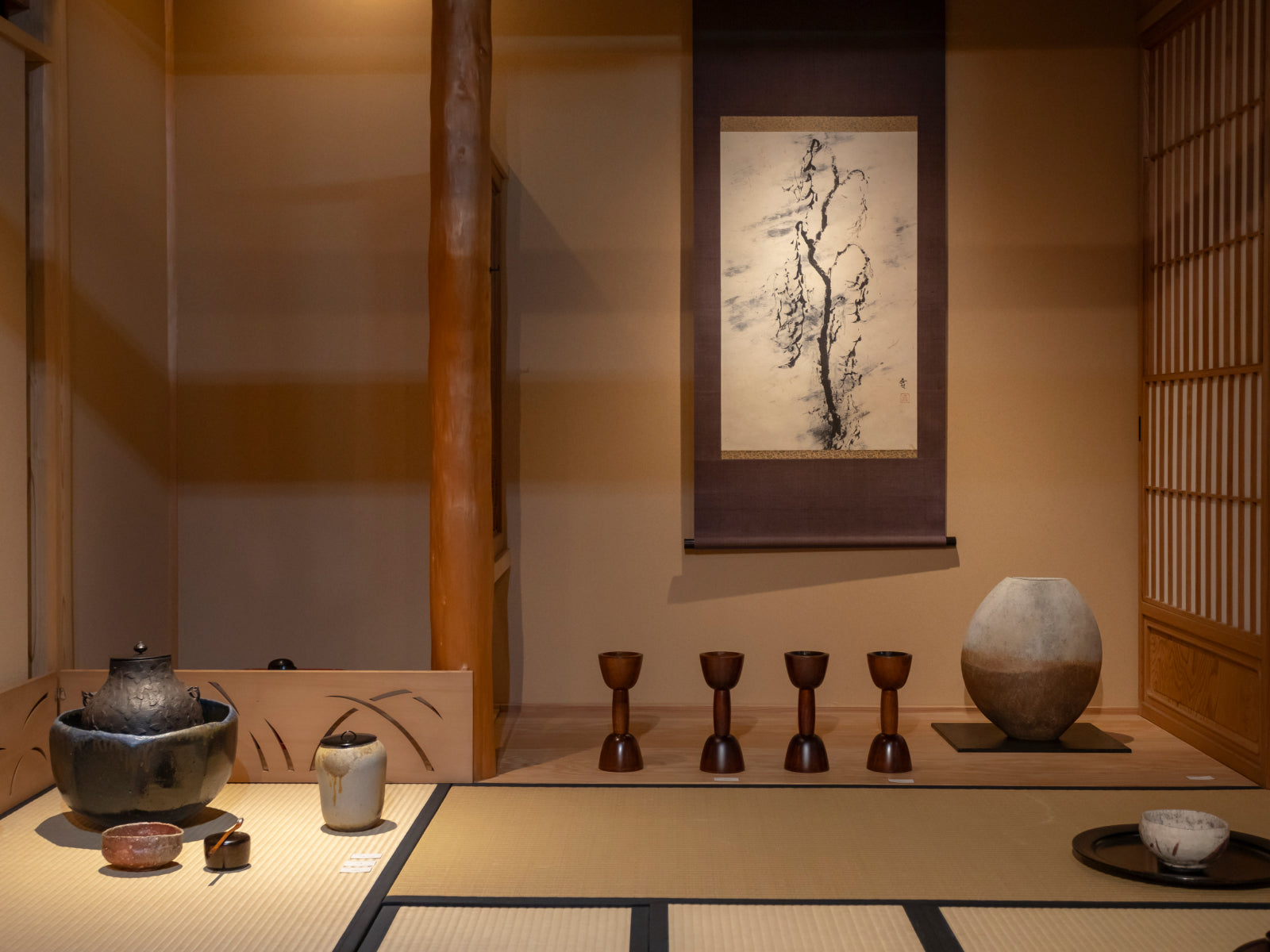
Yoshio Nishihata: Restoring the small drum used in traditional performing arts

Friday, November 28, 2025 - Sunday, December 7, 2025

Exhibition

Gallery

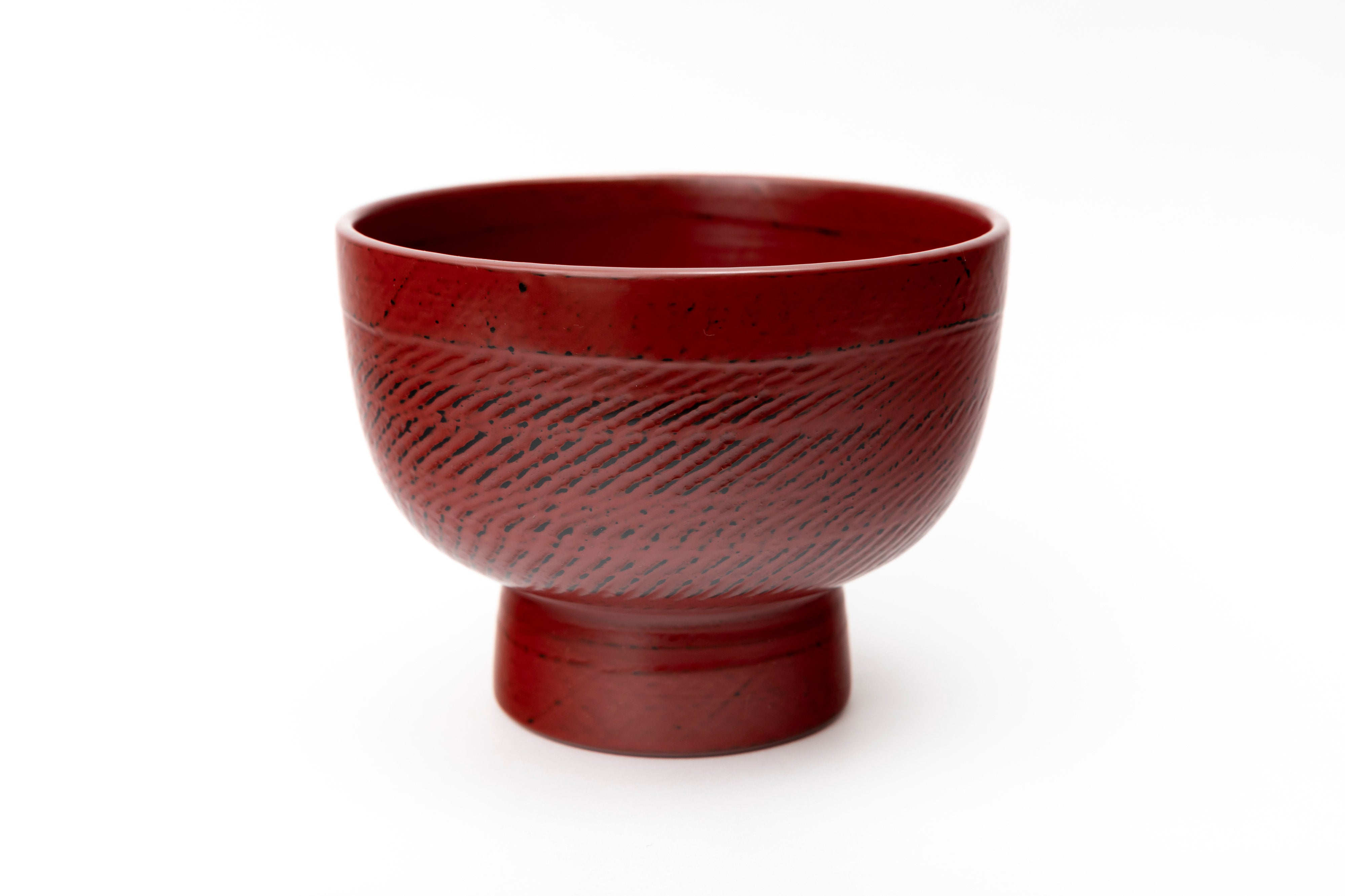
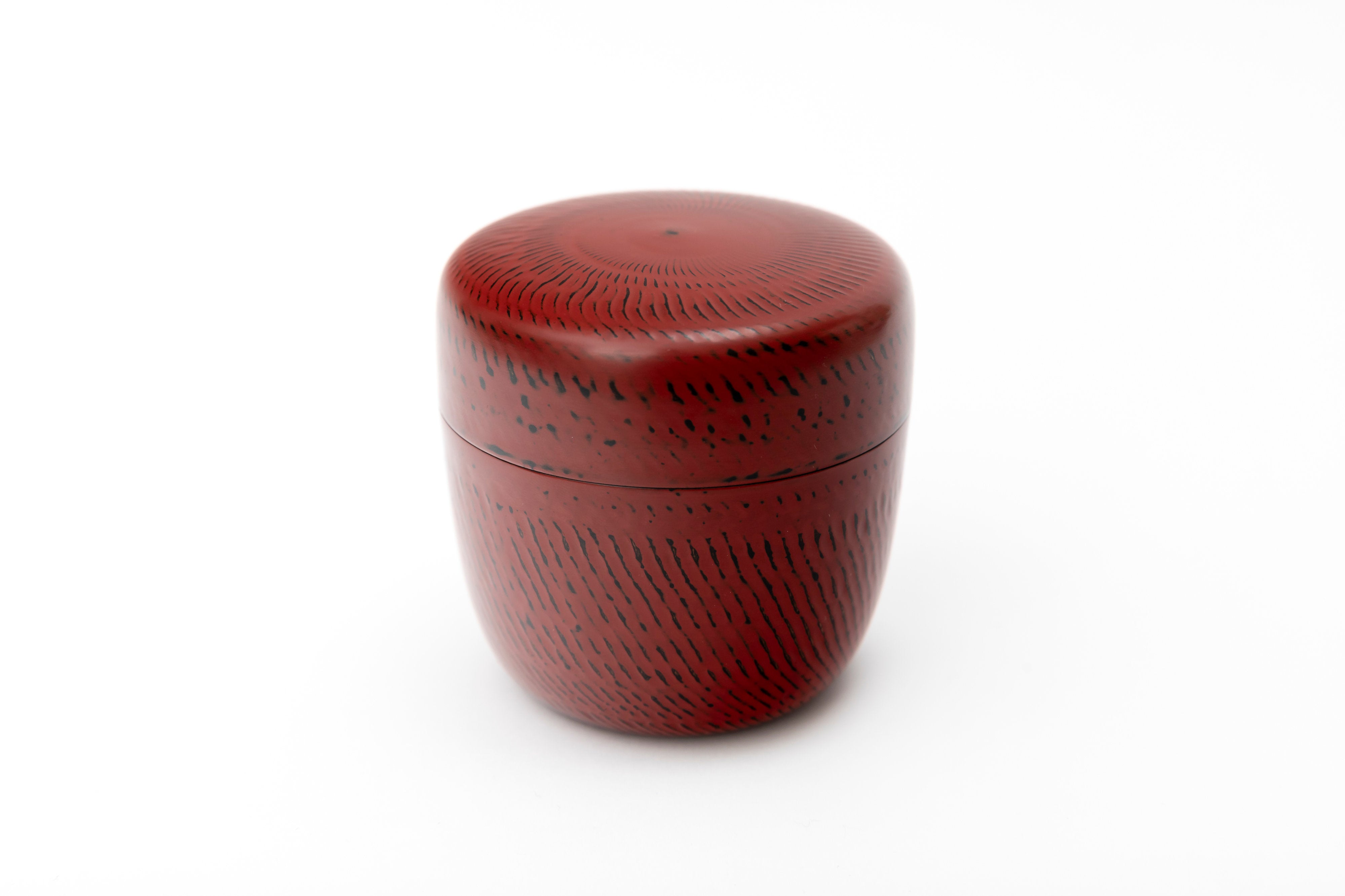
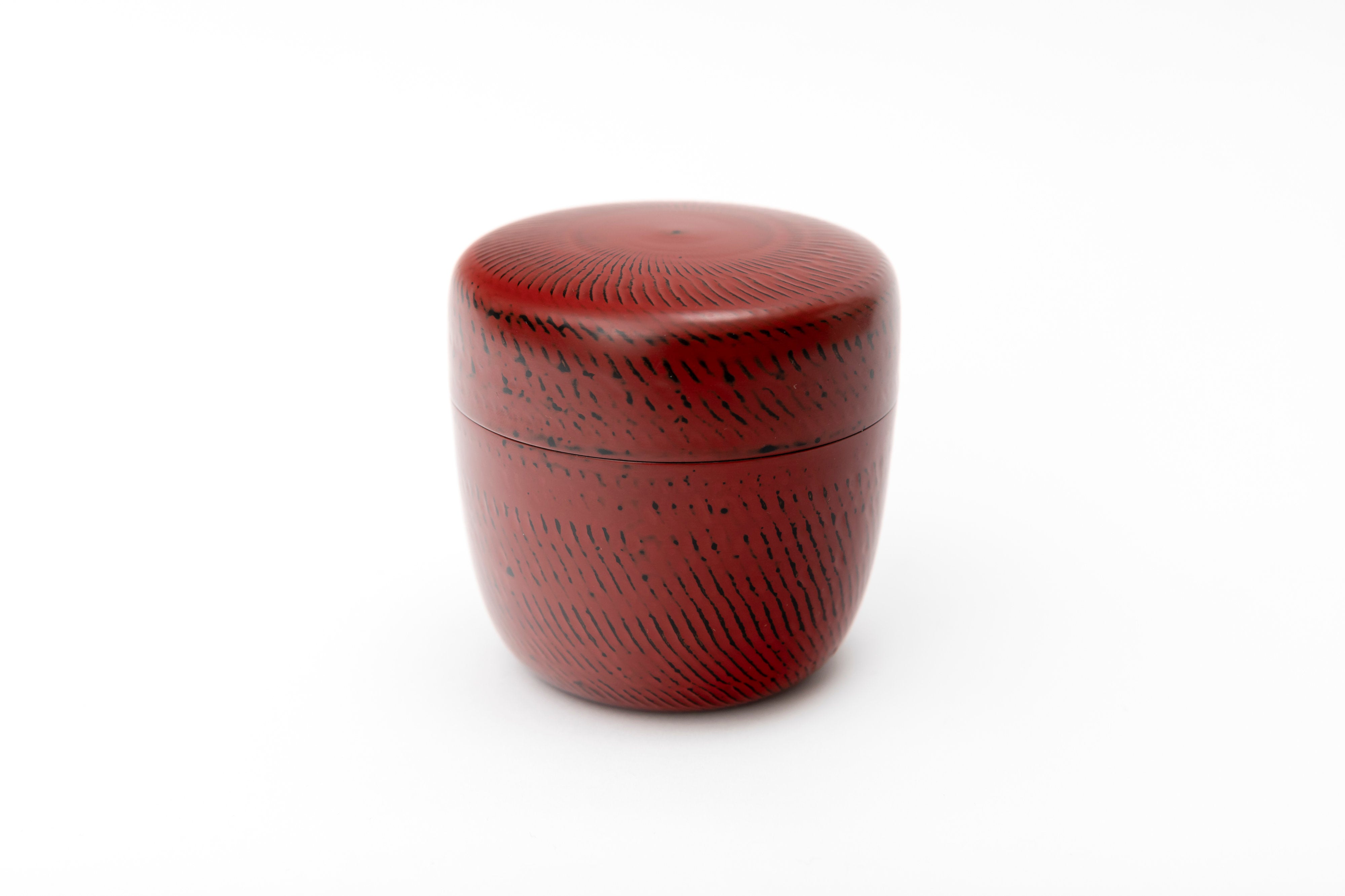
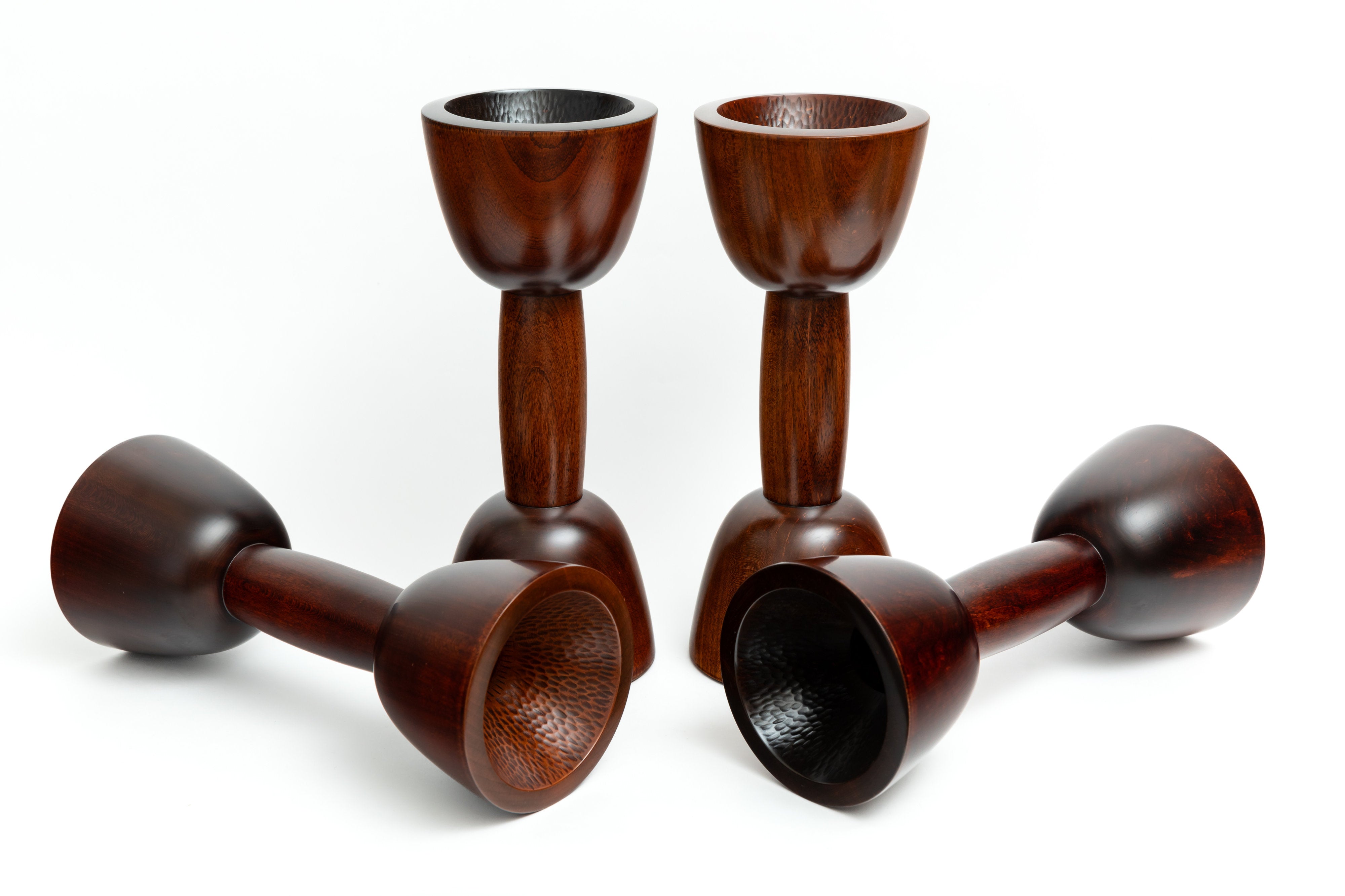
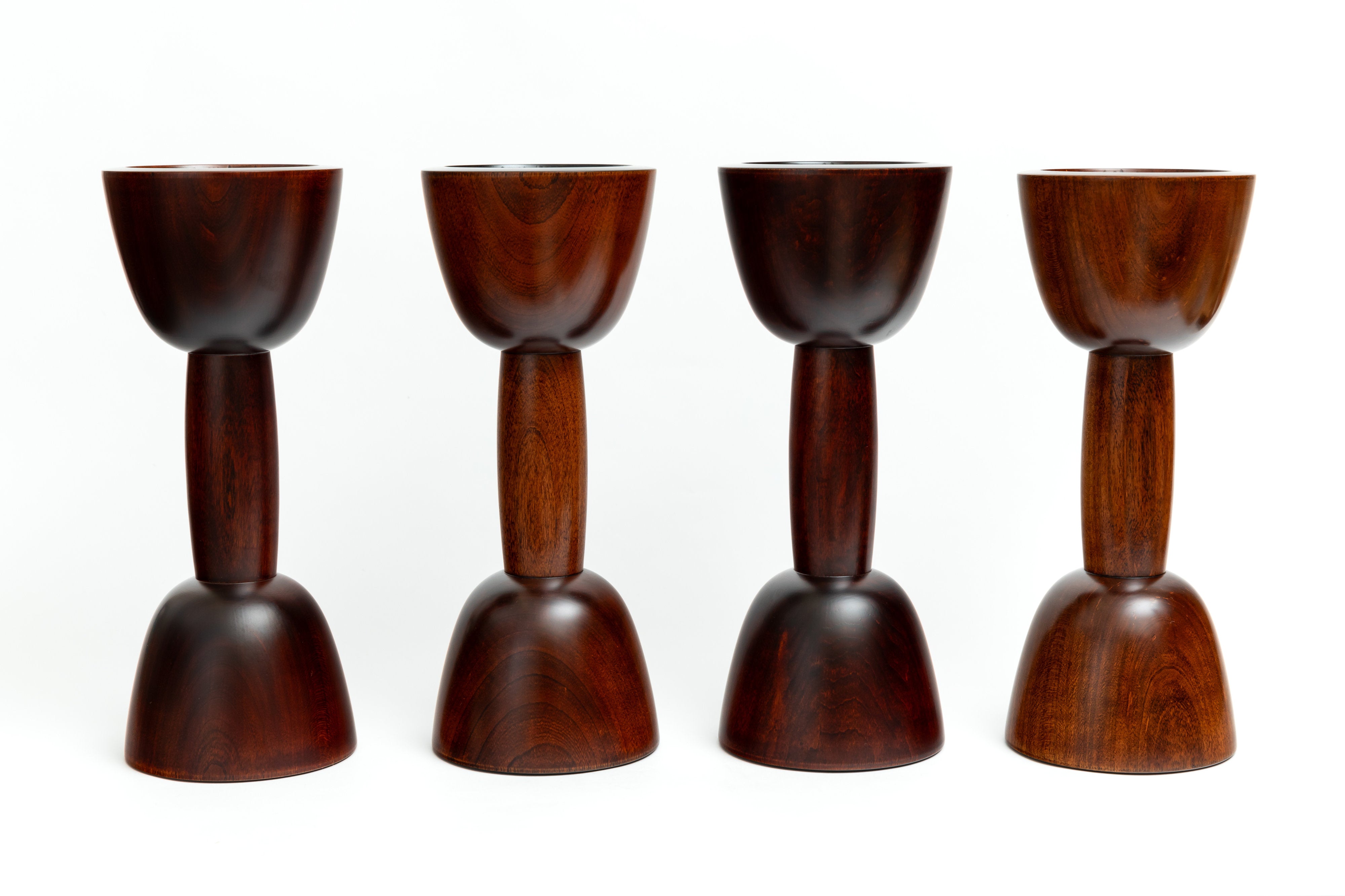
During the process of making the Japanese musical instrument Kotsuzumi, I discovered that there were various planer marks carved into the inside of the old drum body, and became interested in it.
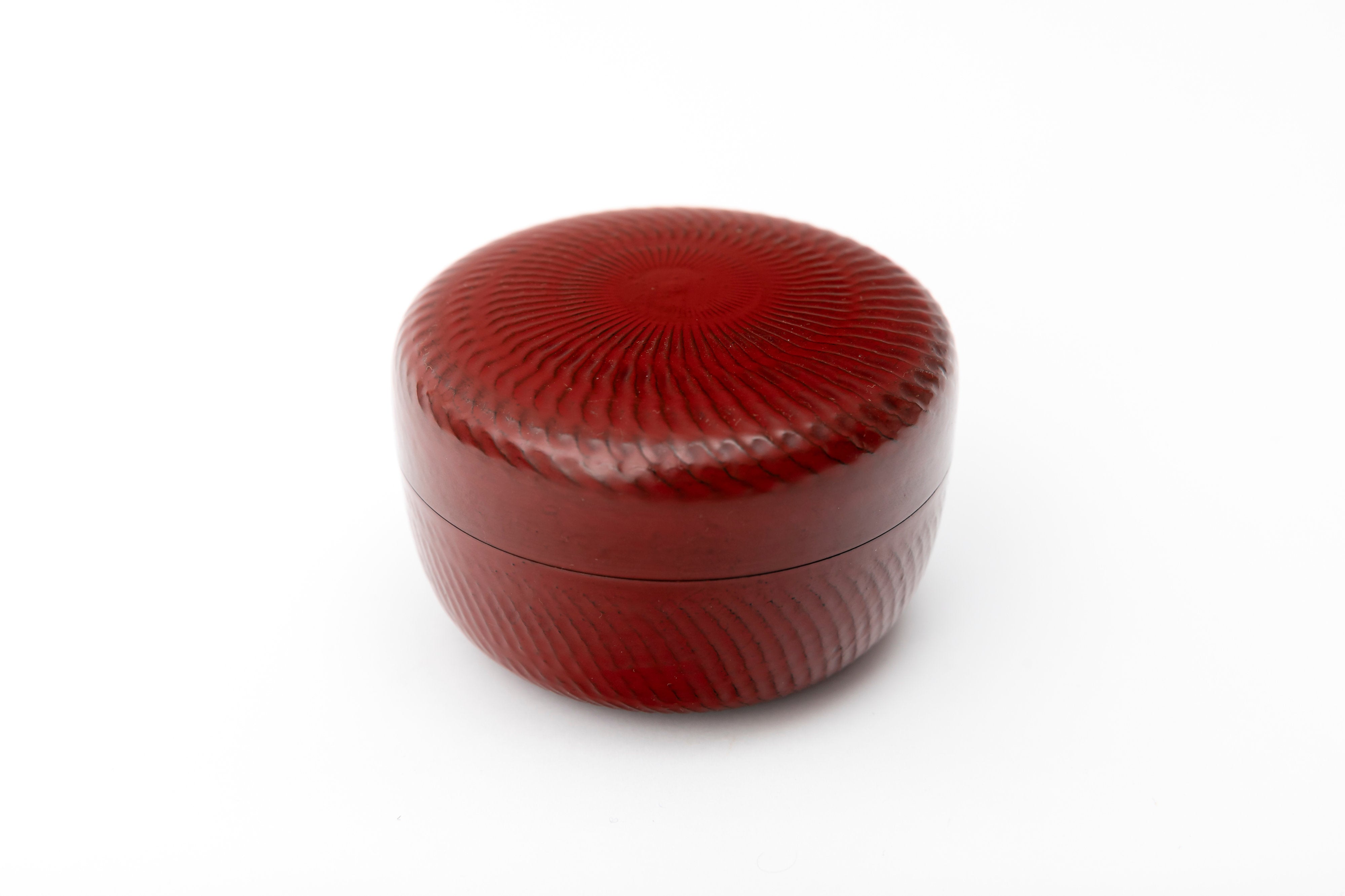
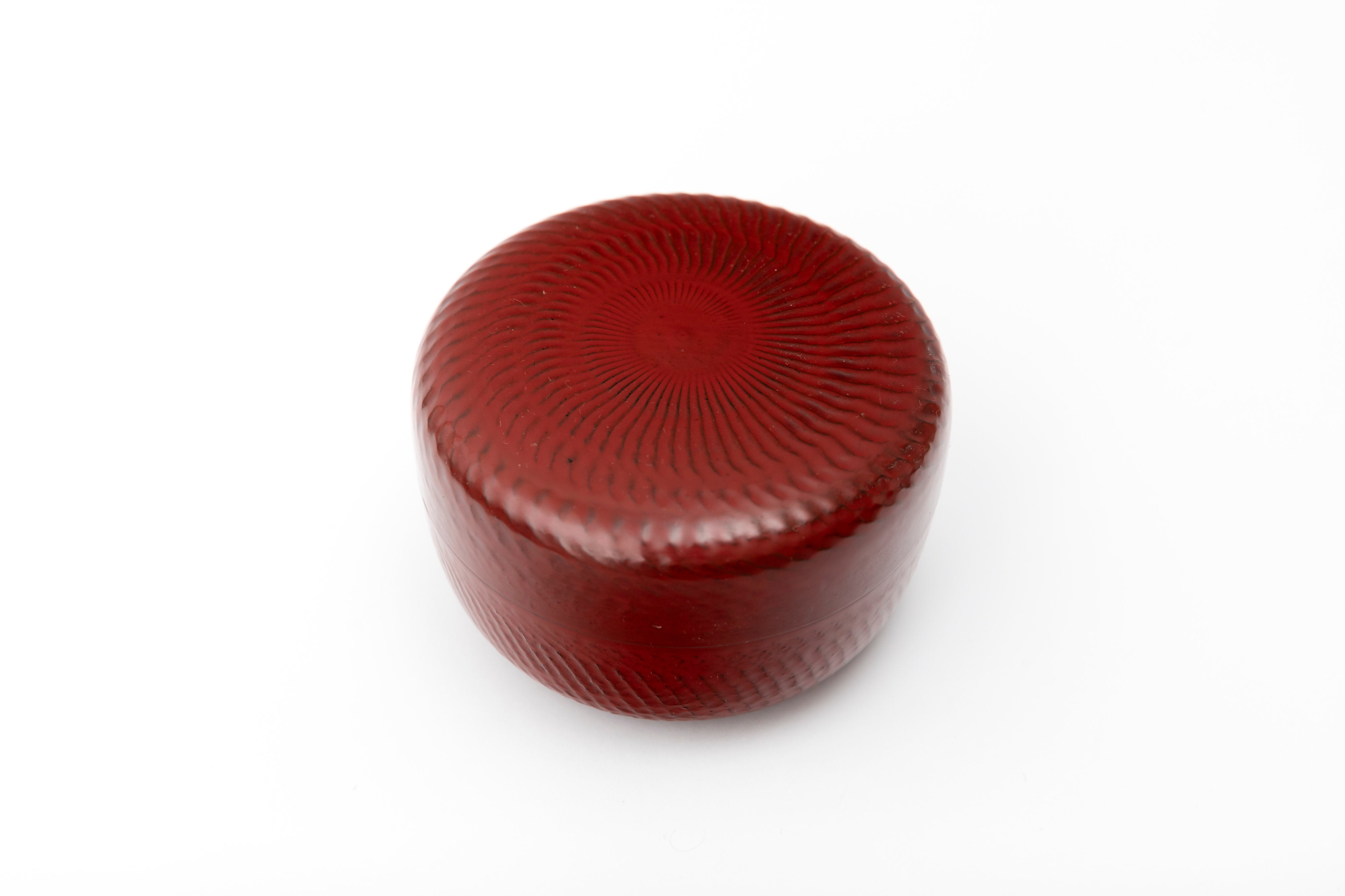
The Kanna mark is also called Kanna mark and is a mark used to identify the artist.
I was particularly impressed by the ripples carved by Dainichi Takumi, a drum craftsman from the early Edo period.
After repeated trial and error to see if we could recreate the Sazanami Kanna, we were finally able to create something close to it.

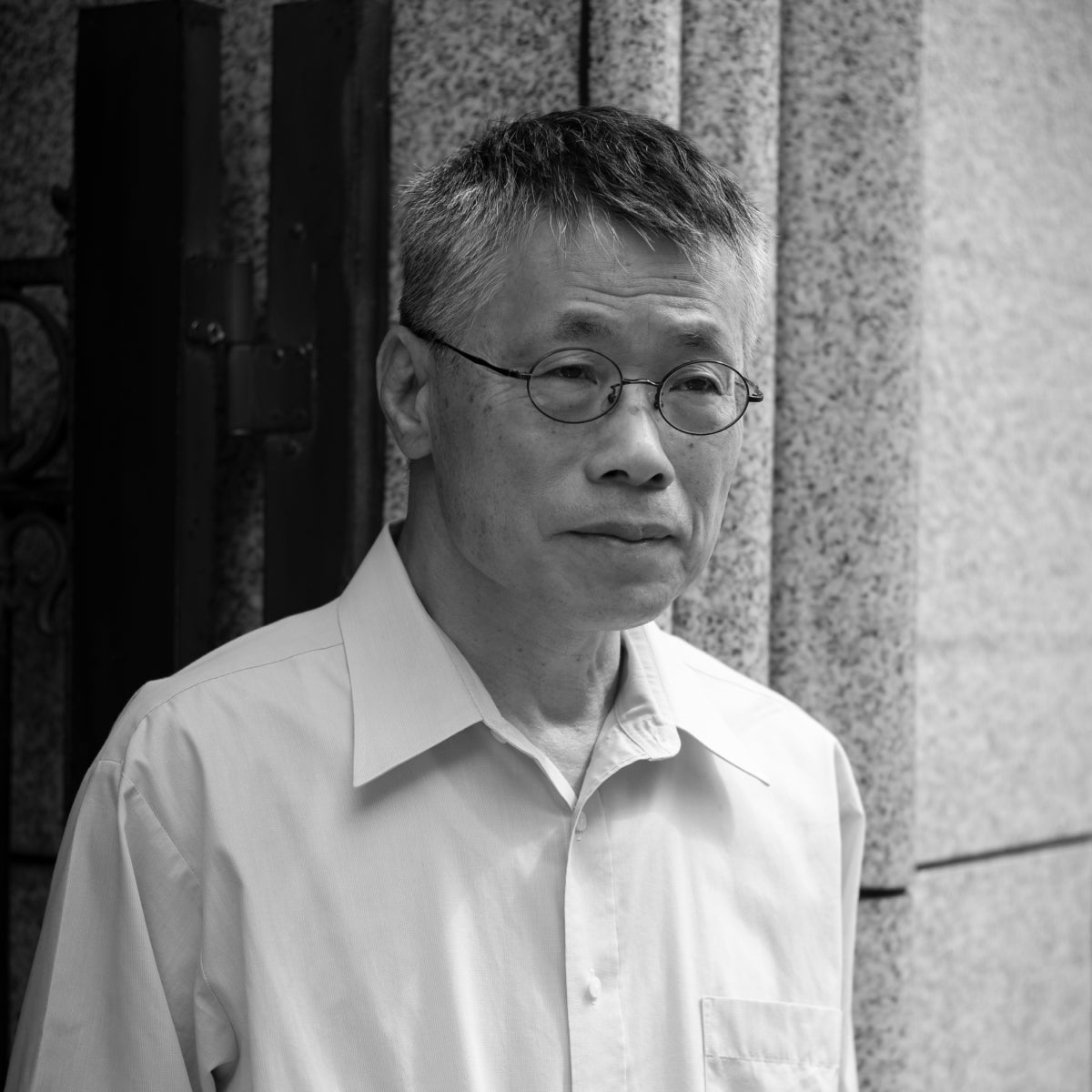
Yoshio Nishihata

I heard from Genjiro Okura, head of the Okura school of Noh music, that there are no longer any people who make small drums.
It has been 15 years since we approached Yoshio Nishibata, a Wajima-born woodworker with exceptional skills.
The body of the small drum was a musical instrument, and it was a difficult job.
It was a wooden instrument with a beautiful tone, like a Stradivarius violin.
To commemorate the Japanese Culture Grand Prix Special Award,
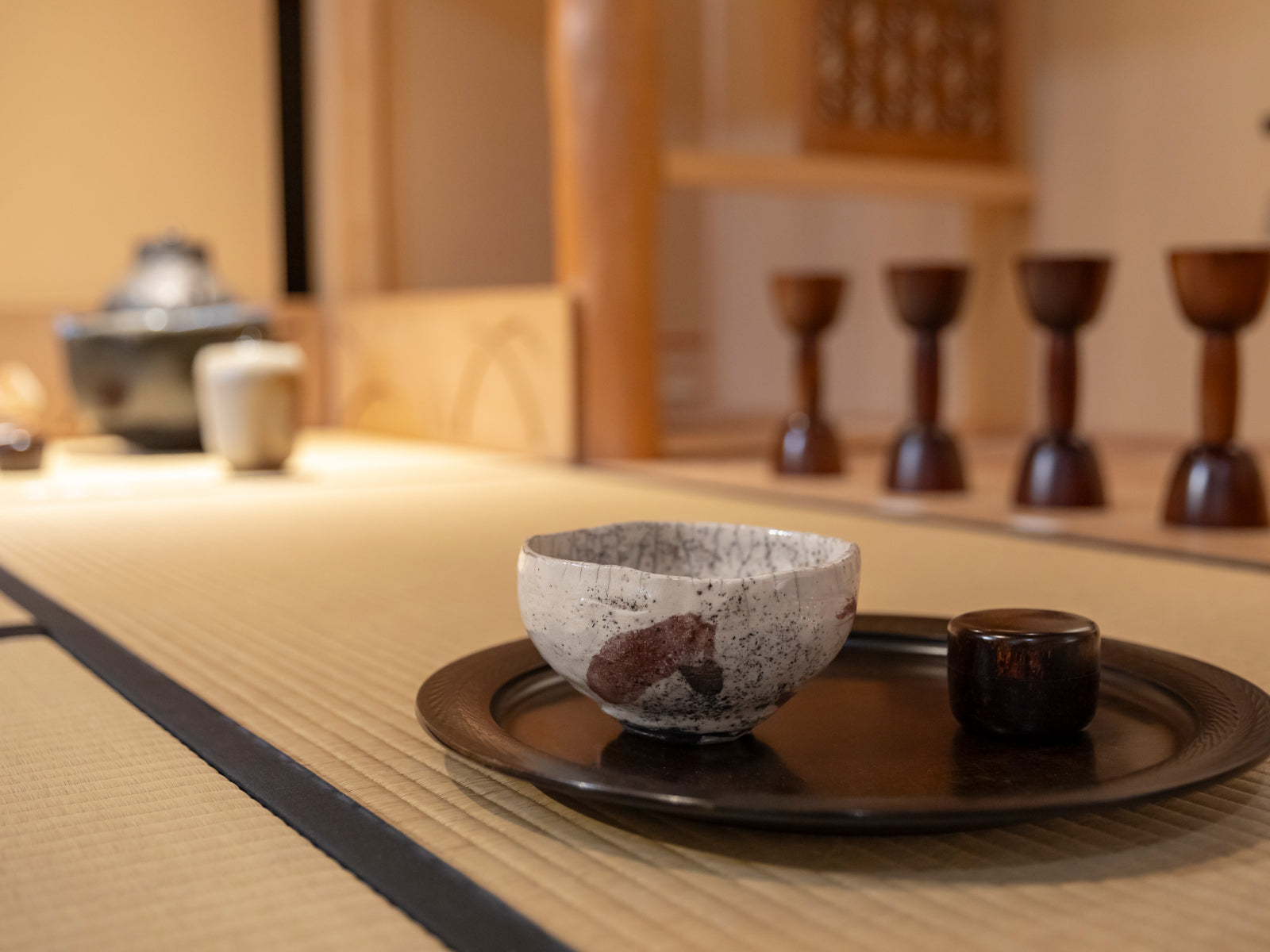
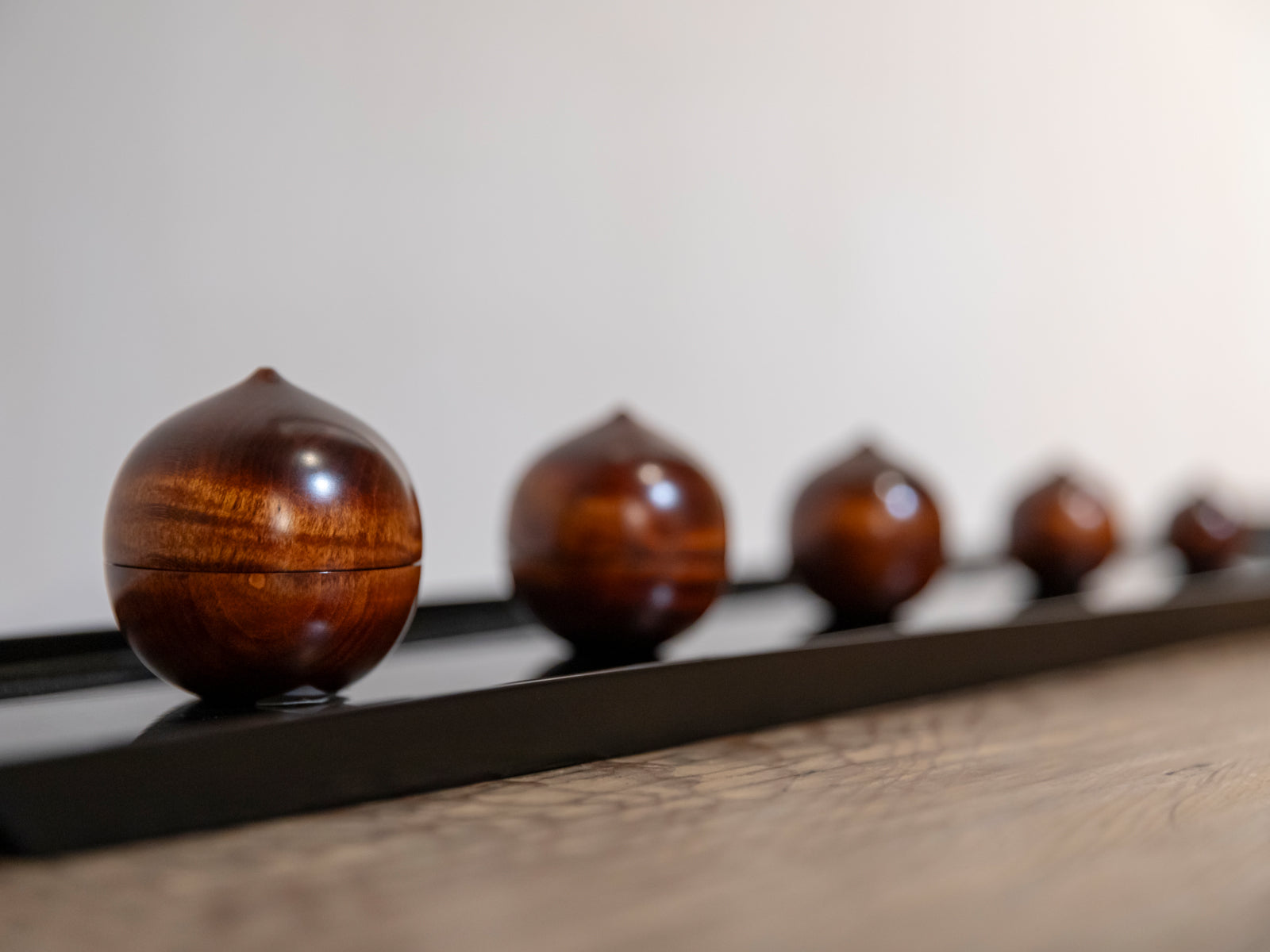
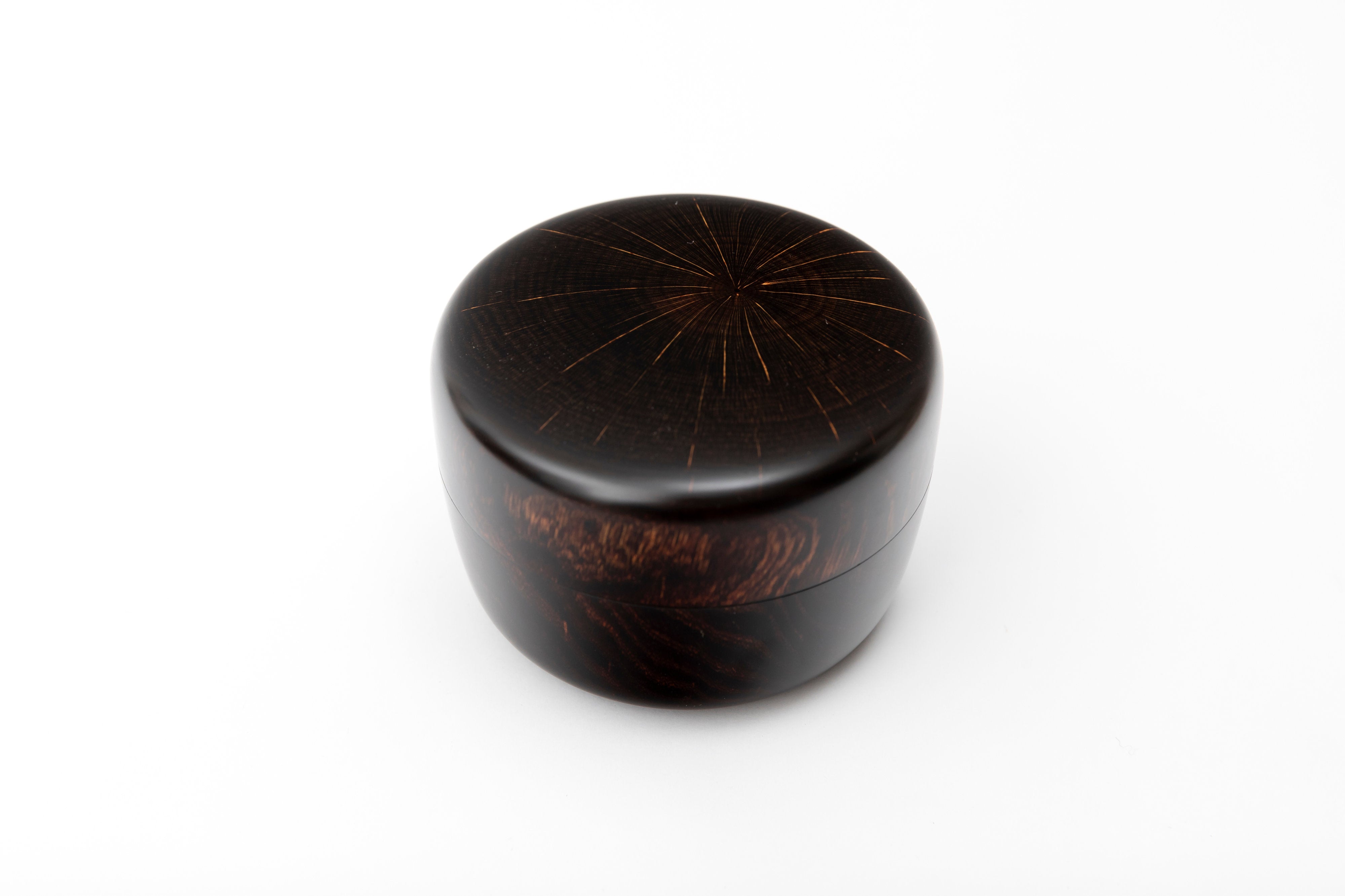
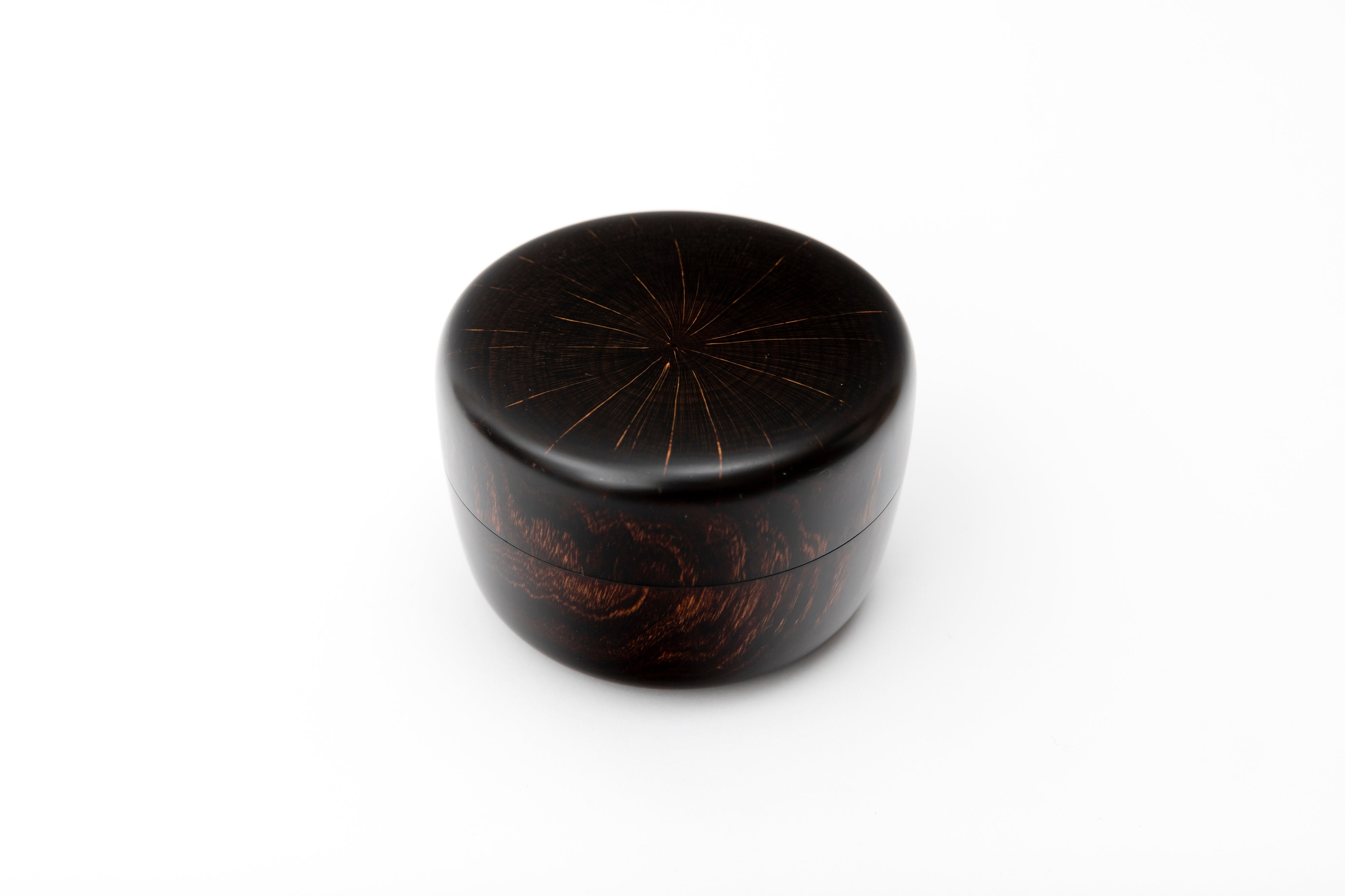
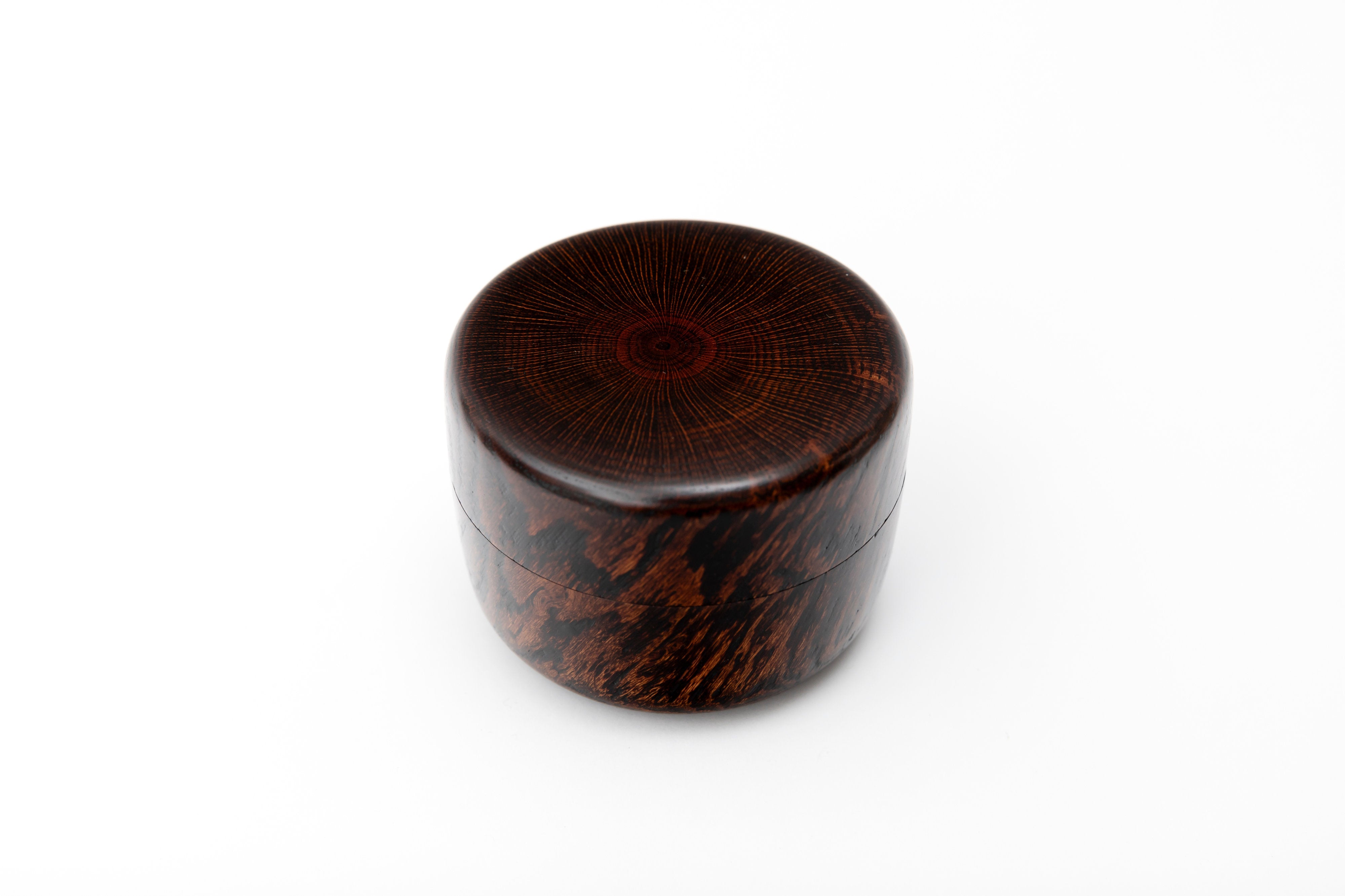
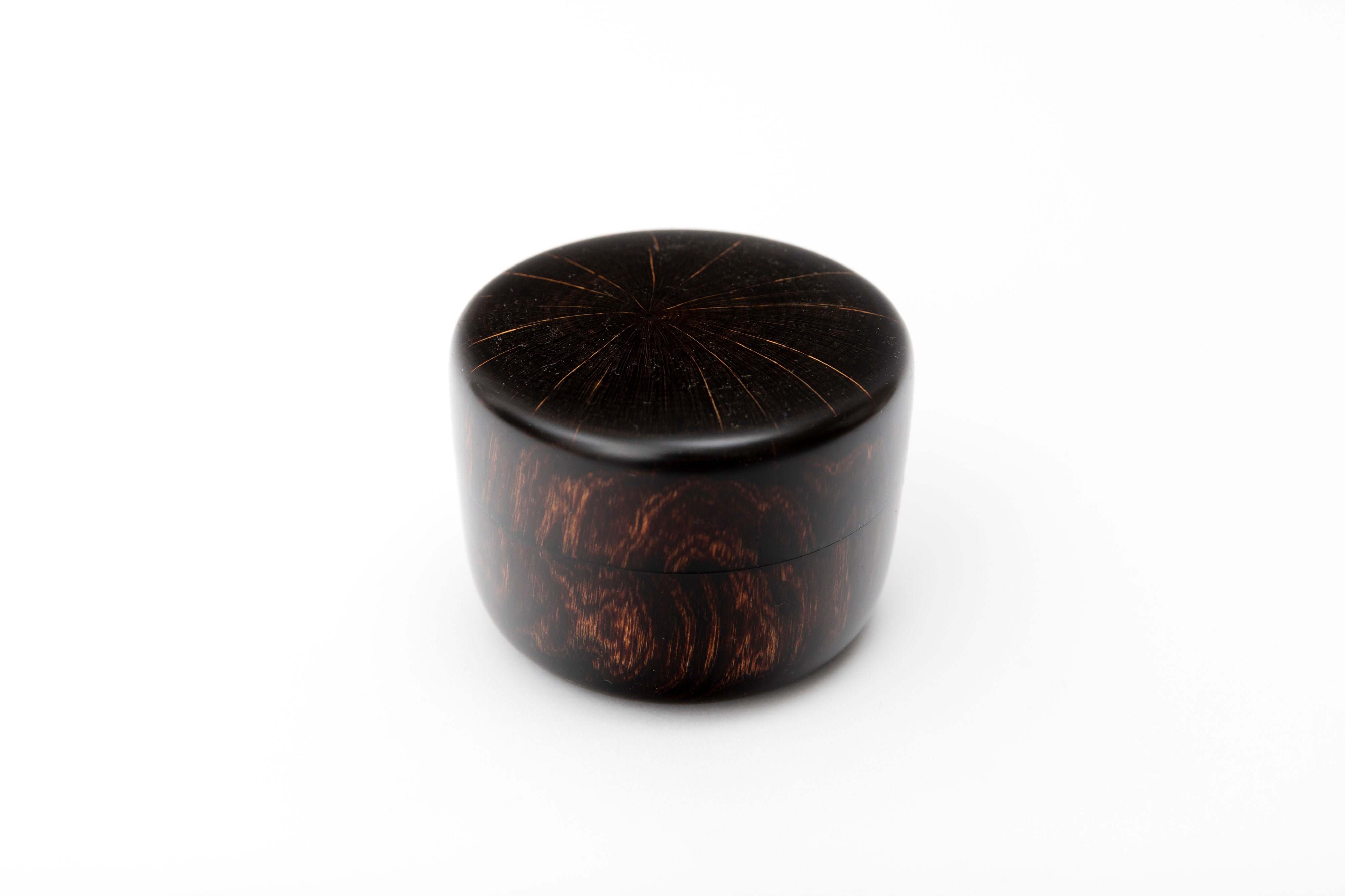
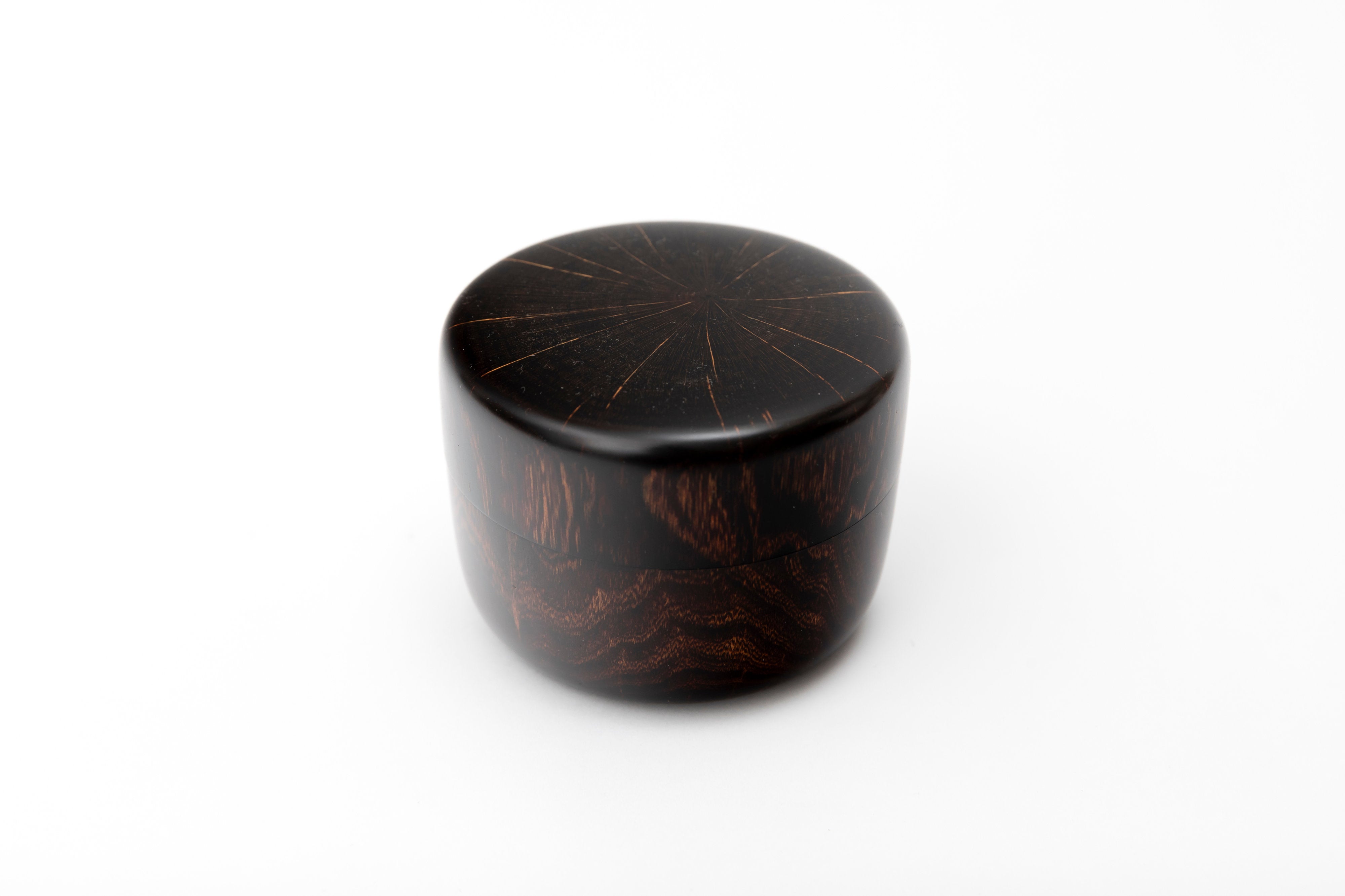
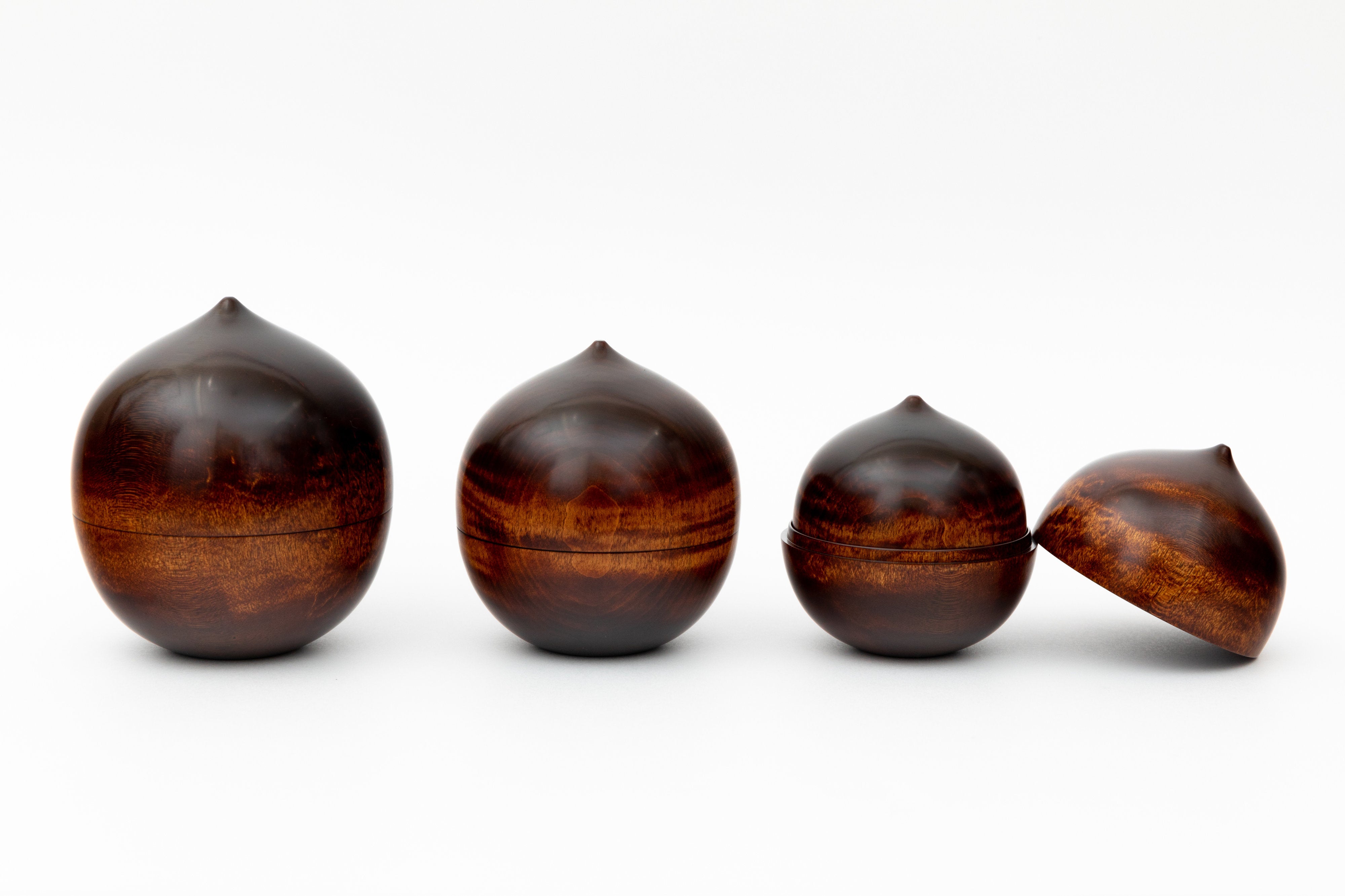
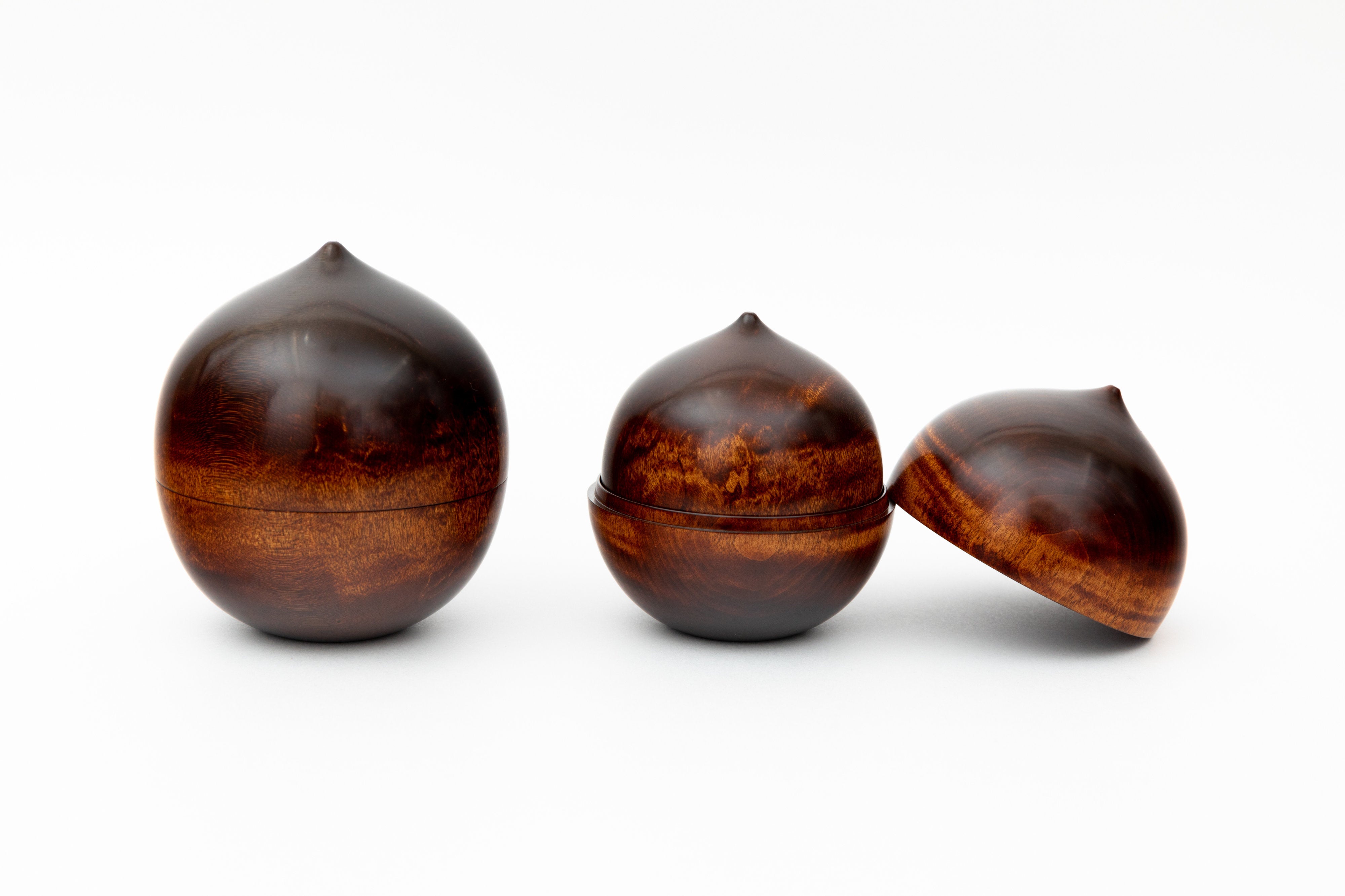
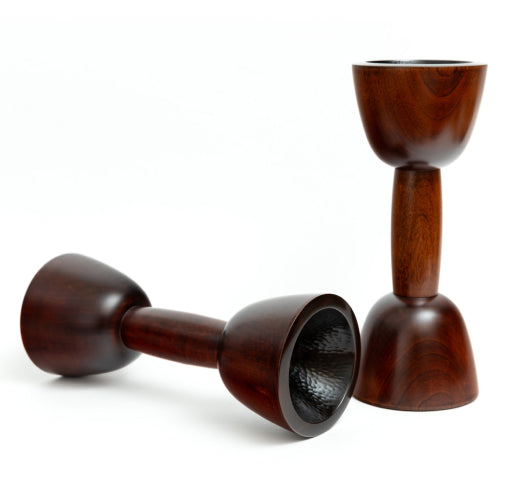
I collected some woodworking items.

Keiko Aono, Ippodo

Yoshio Nishihata

Yoshio Nishihata

1958 Born in Wajima, Ishikawa Prefecture.
1976 Studied under Master Kiyoto Ozaki
1980 First selection at the Japan Traditional Crafts Exhibition
1986 Became independent and established a workshop
1993 First solo exhibition at Kamigata Ginka in Osaka
2014 "Restoring the Small Drum Tube" exhibition at Ippodo, Ginza, Tokyo
2023 Appeared on NHK's "Bino Tsubo" program "Japanese Instruments" with the creation of a small drum
To create a large Wajima lacquer globe, "Earth at Night," for the 2025 Osaka Kansai Expo
Participated in the woodwork category of the Wajima Lacquer Technique Preservation Society
Currently Vice President of the Wajima Lacquerware Technology Preservation Society
Regular member of the Japan Kogei Association (public corporation)
Rather than dividing the work into sections, each bowl is made in its own way, from the wood base to the finishing touches.

Yoshio Nishihataについて見る