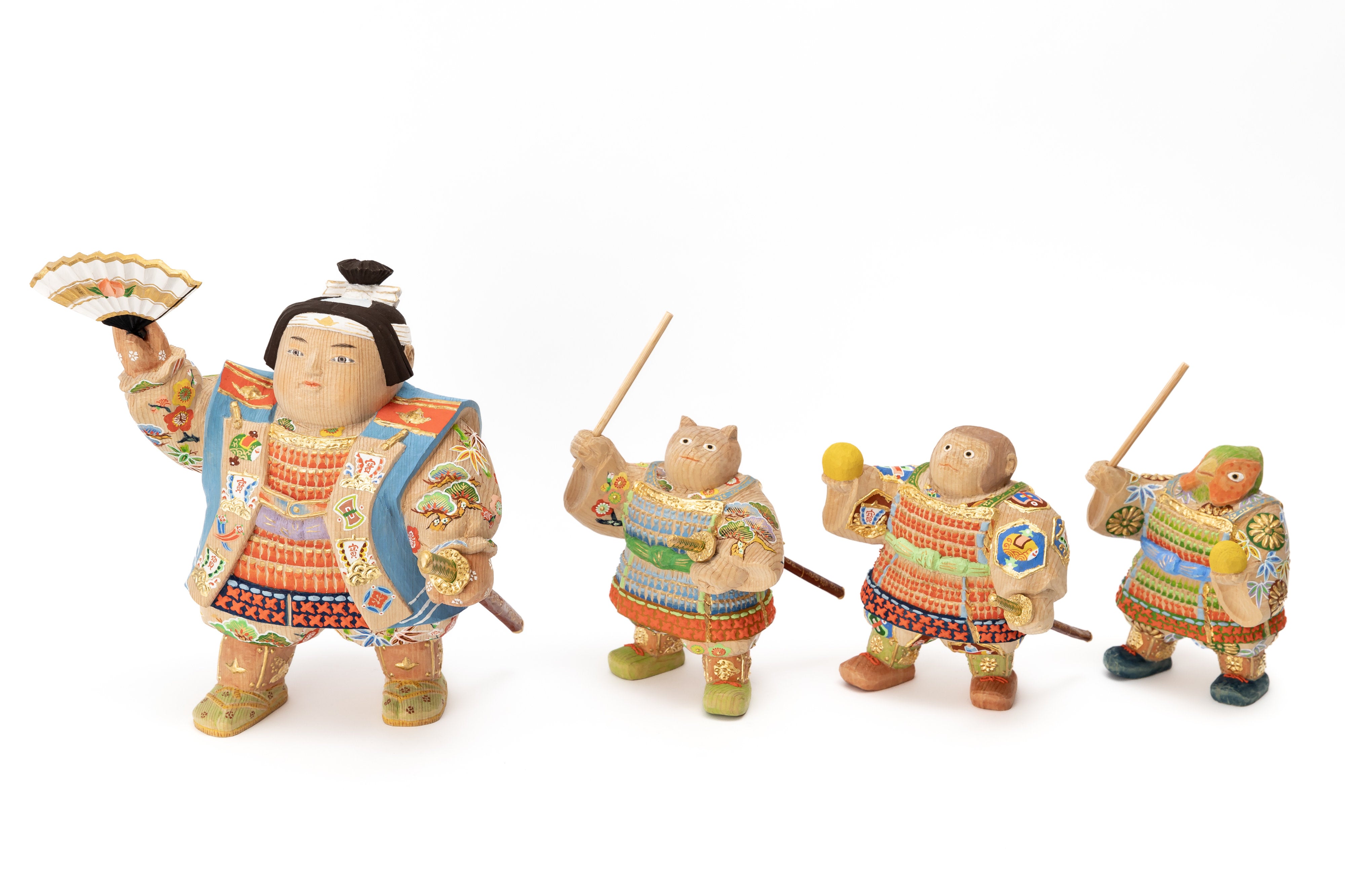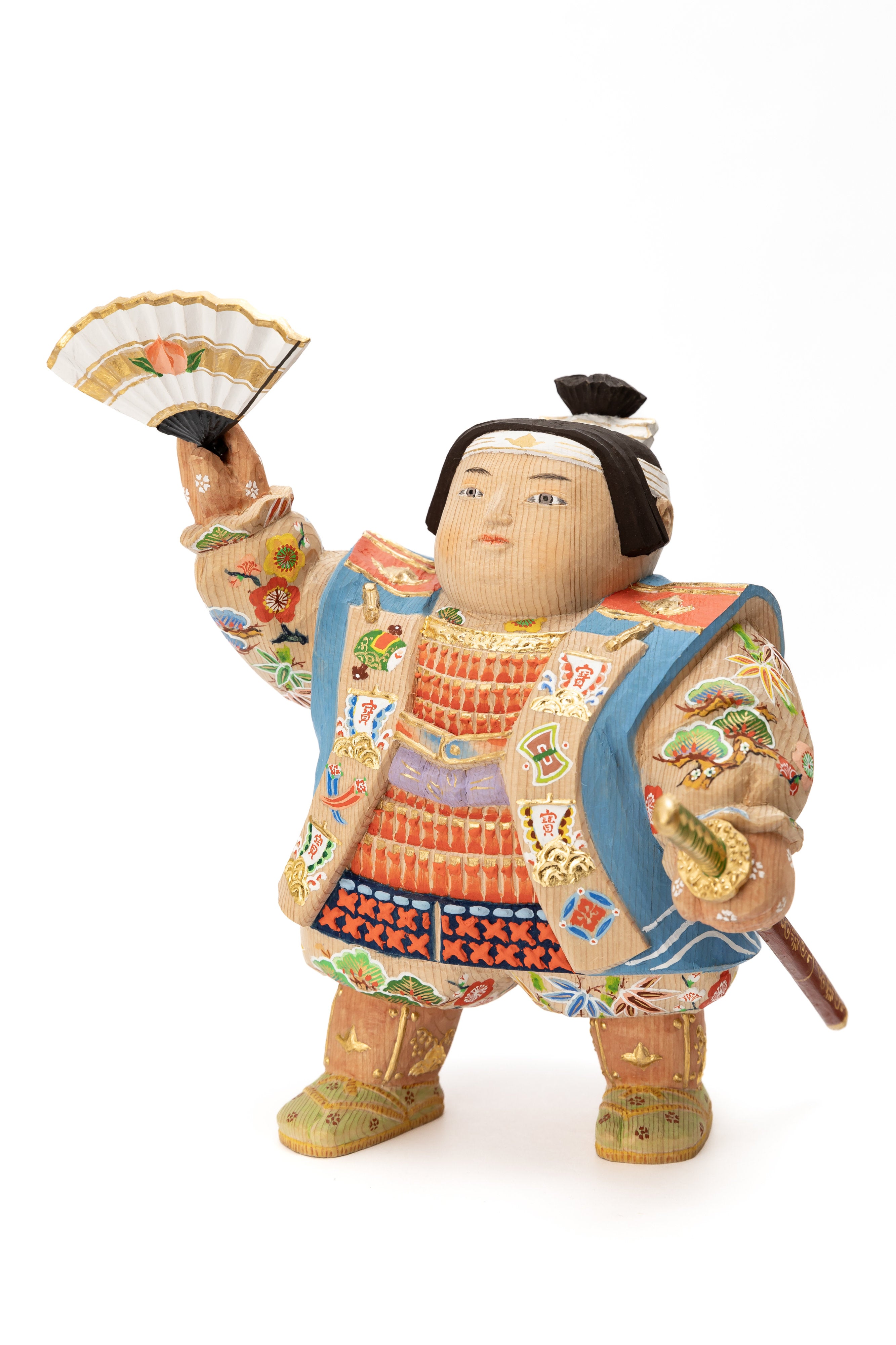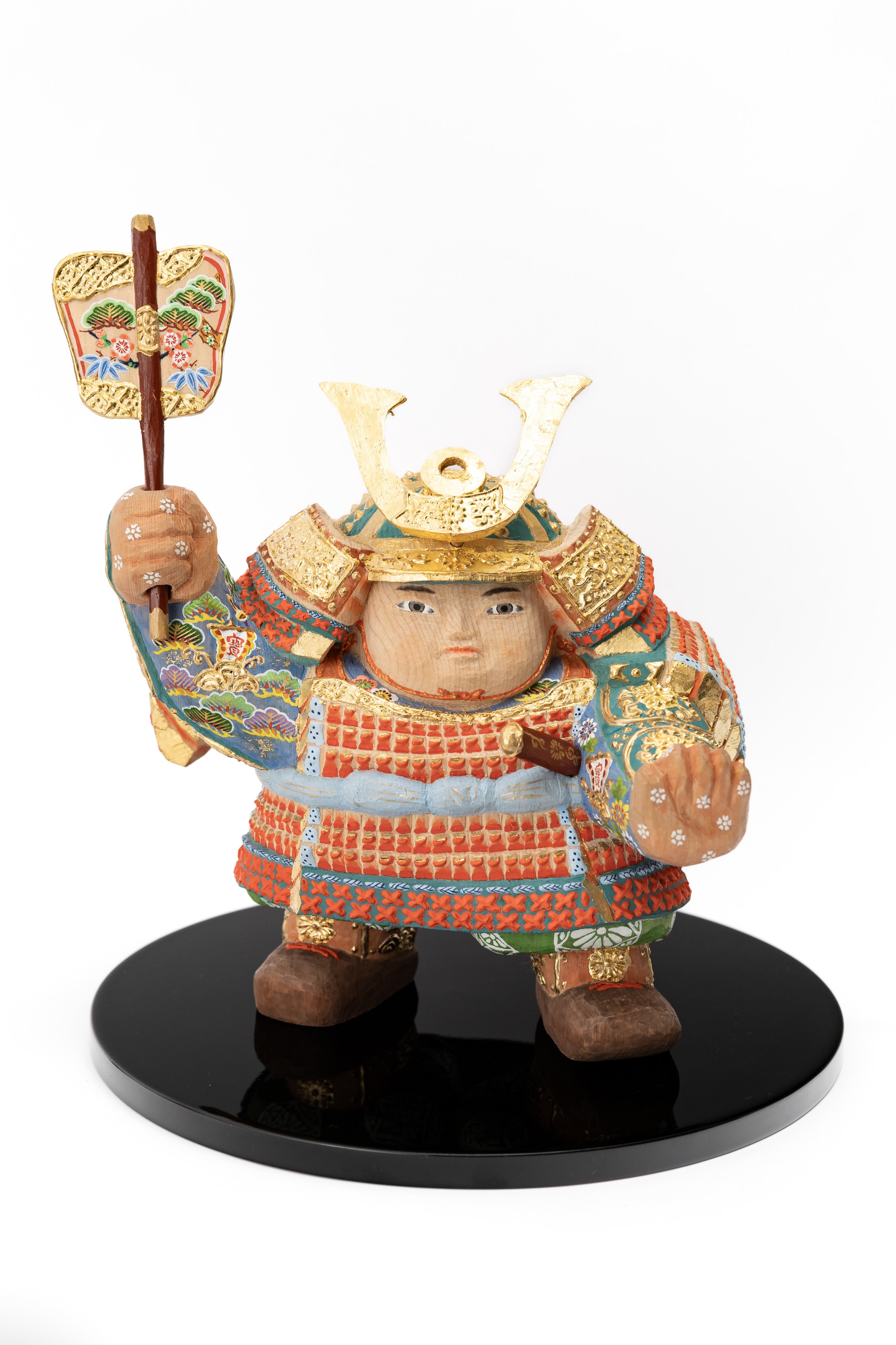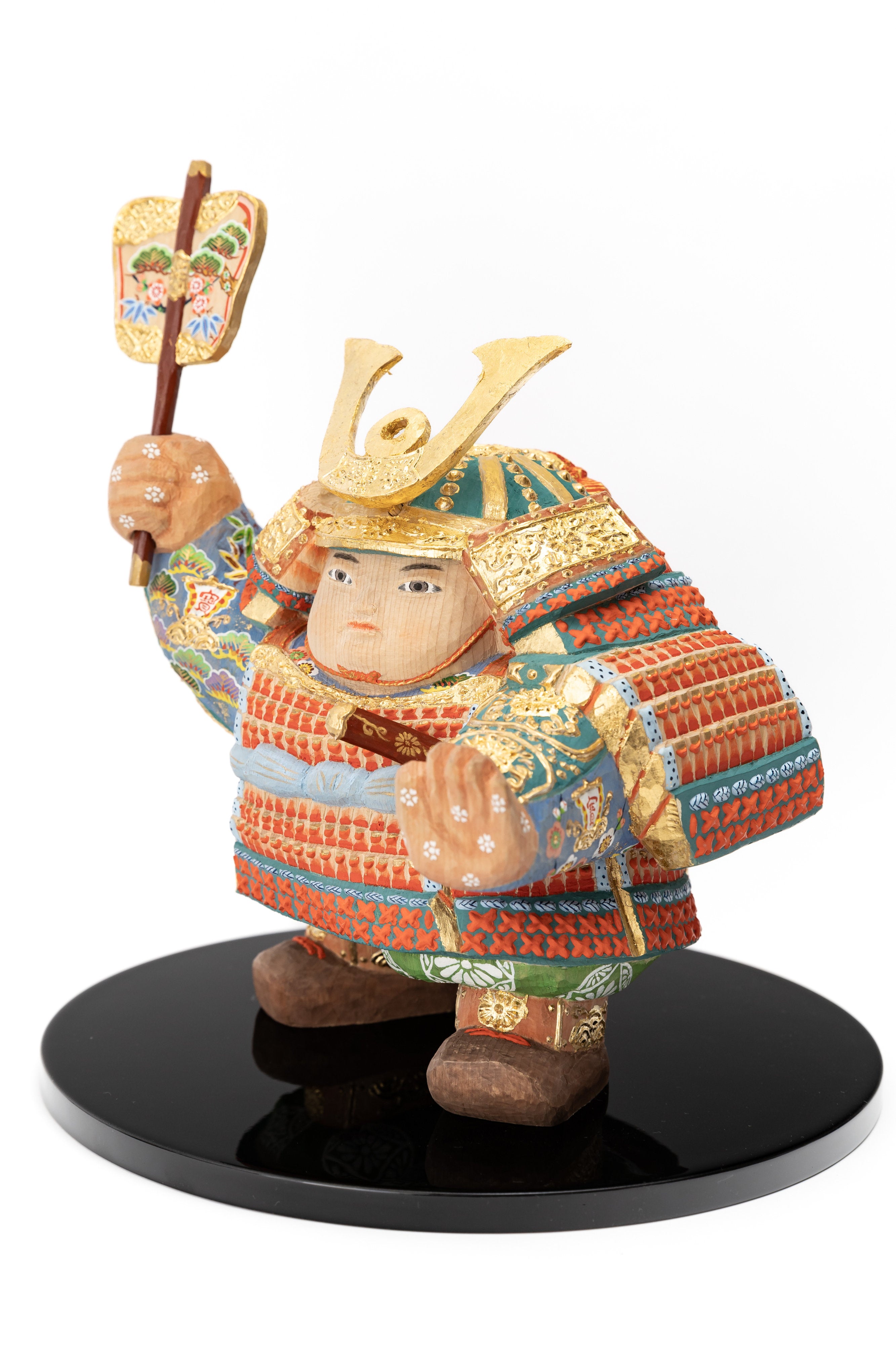
Ginza Ippodo Children’s Day
Tango no Sekku at Ginza Ippodo
What Is Tanabata?
Tanabata, held on July 7, is one of Japan's five seasonal festivals. Known since ancient times as the Star Festival, it has long been loved as a graceful occasion when people look up at the night sky and entrust their wishes to the Milky Way.
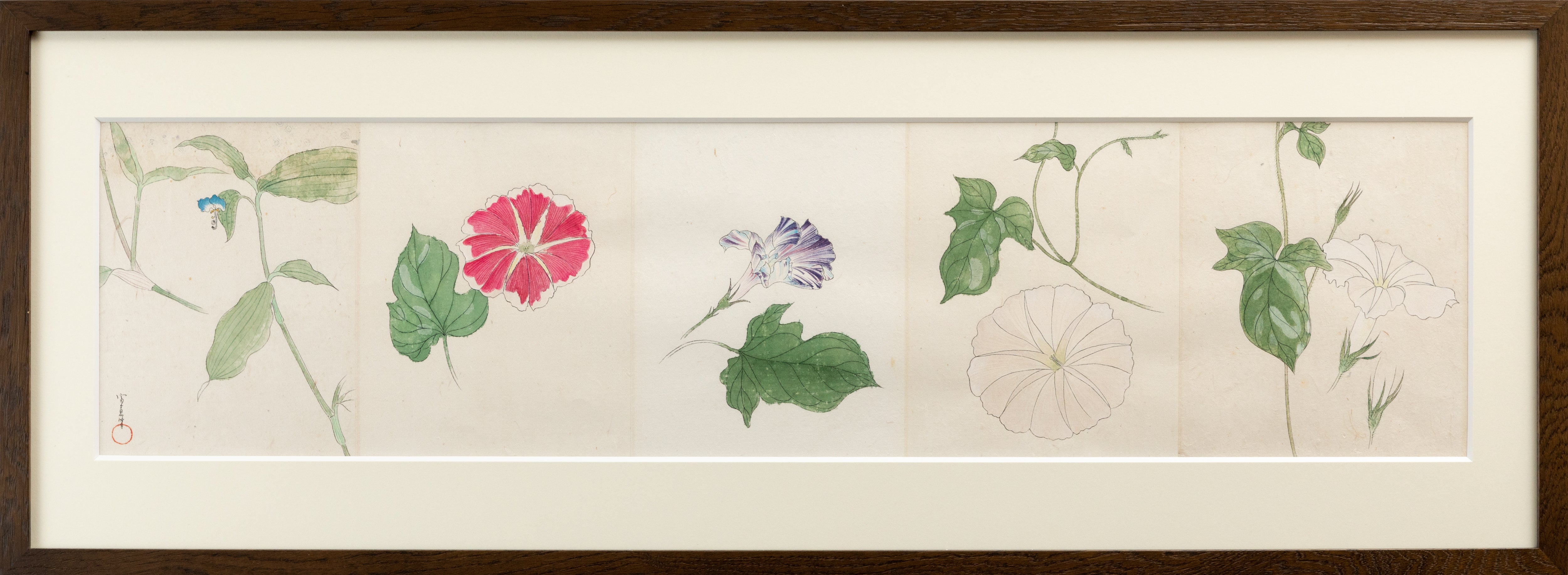
The festival originated in China, in the legend of Hikoboshi, the young cowherd, and Orihime, the goddess of weaving, and reached Japan in the Nara period.
The story of the two, who meet only once a year across the Milky Way, has captivated people through the ages and lives on in the custom of writing wishes on tanzaku.
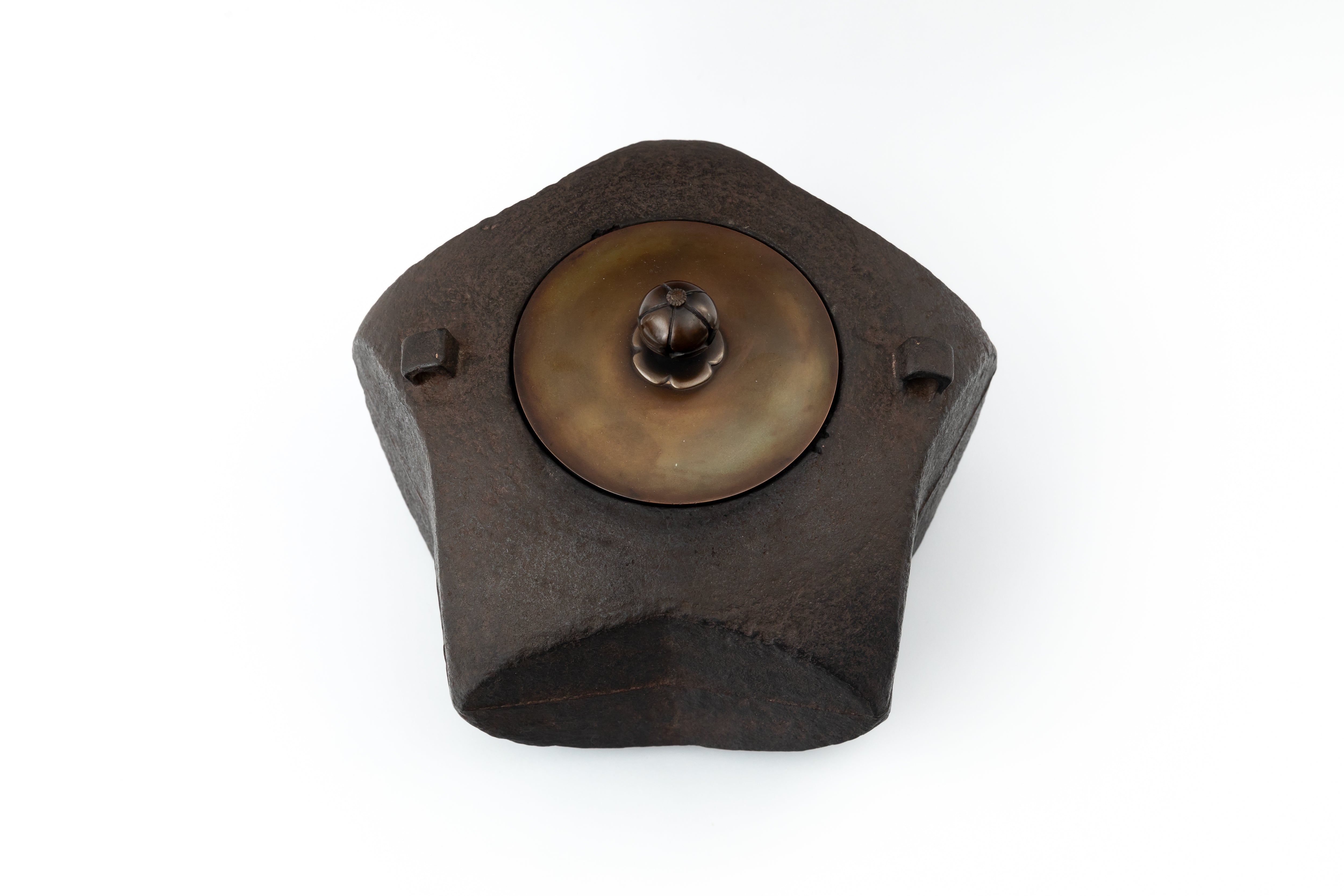
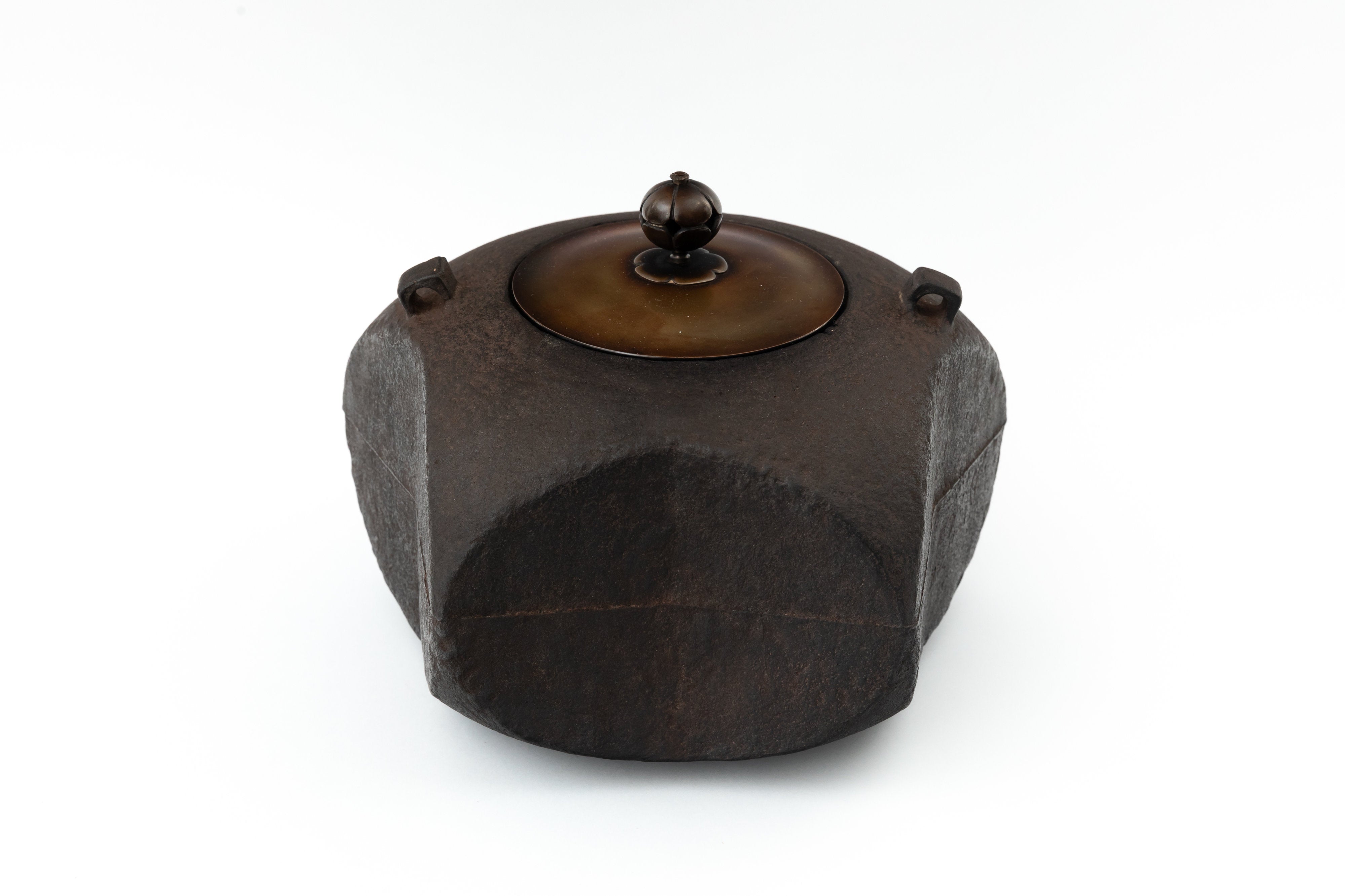
Tanabata is also associated with Kikkoden, a custom of praying for progress in writing and sewing; the name means "to beg for skill," that is, to wish for improvement in handicrafts and the arts.
It has long been cherished as a day to pray for advancement in calligraphy and the arts.
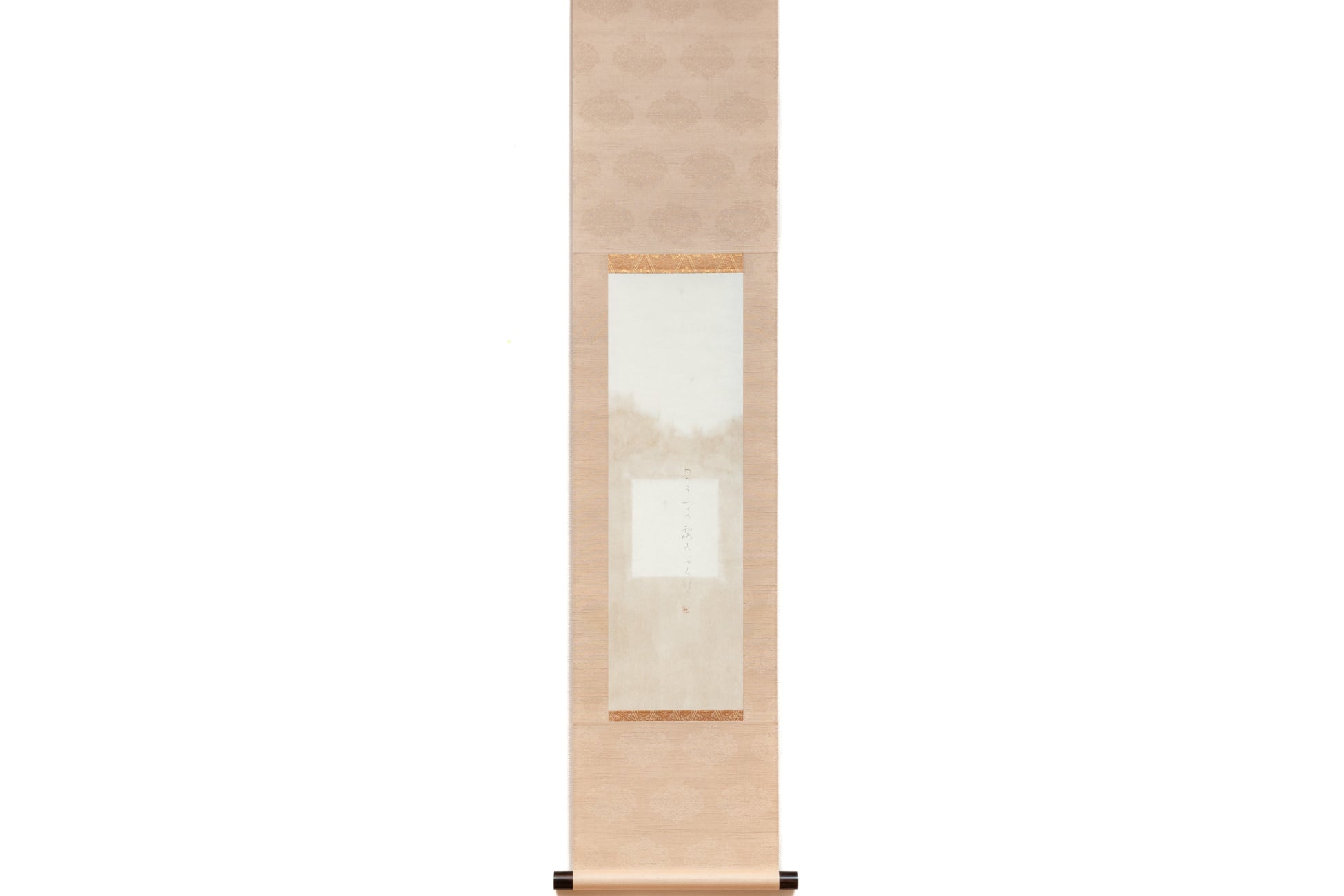
Kikkoden Decorations and Rites of the Reizei Family
The Reizei family of Kyoto, a lineage of waka poets descended from Fujiwara no Teika, preserves the annual observances and customs of the court to this day.
The family still re-creates the traditional Kikkoden on the night of Tanabata.
Principal Decorations and Implements
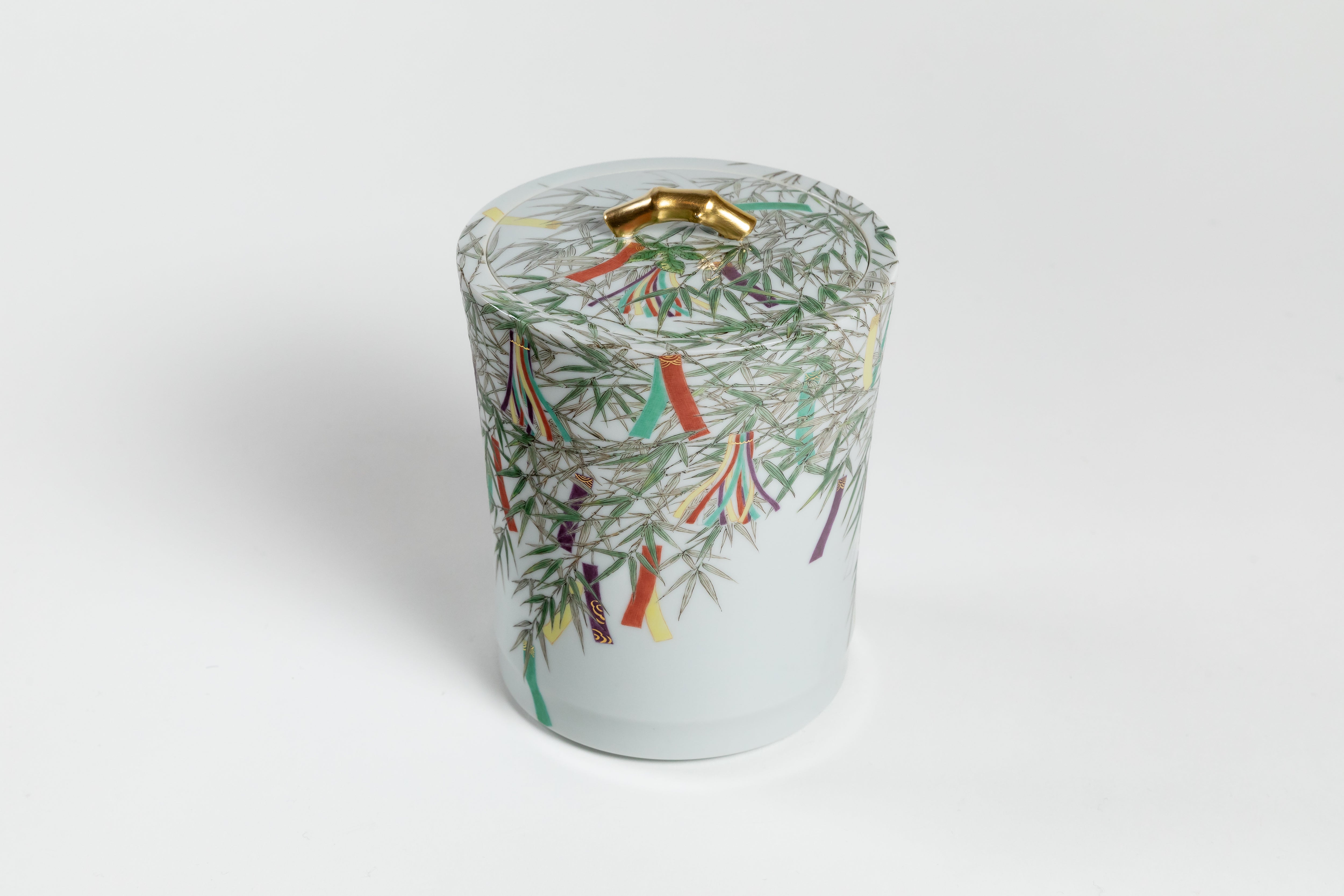
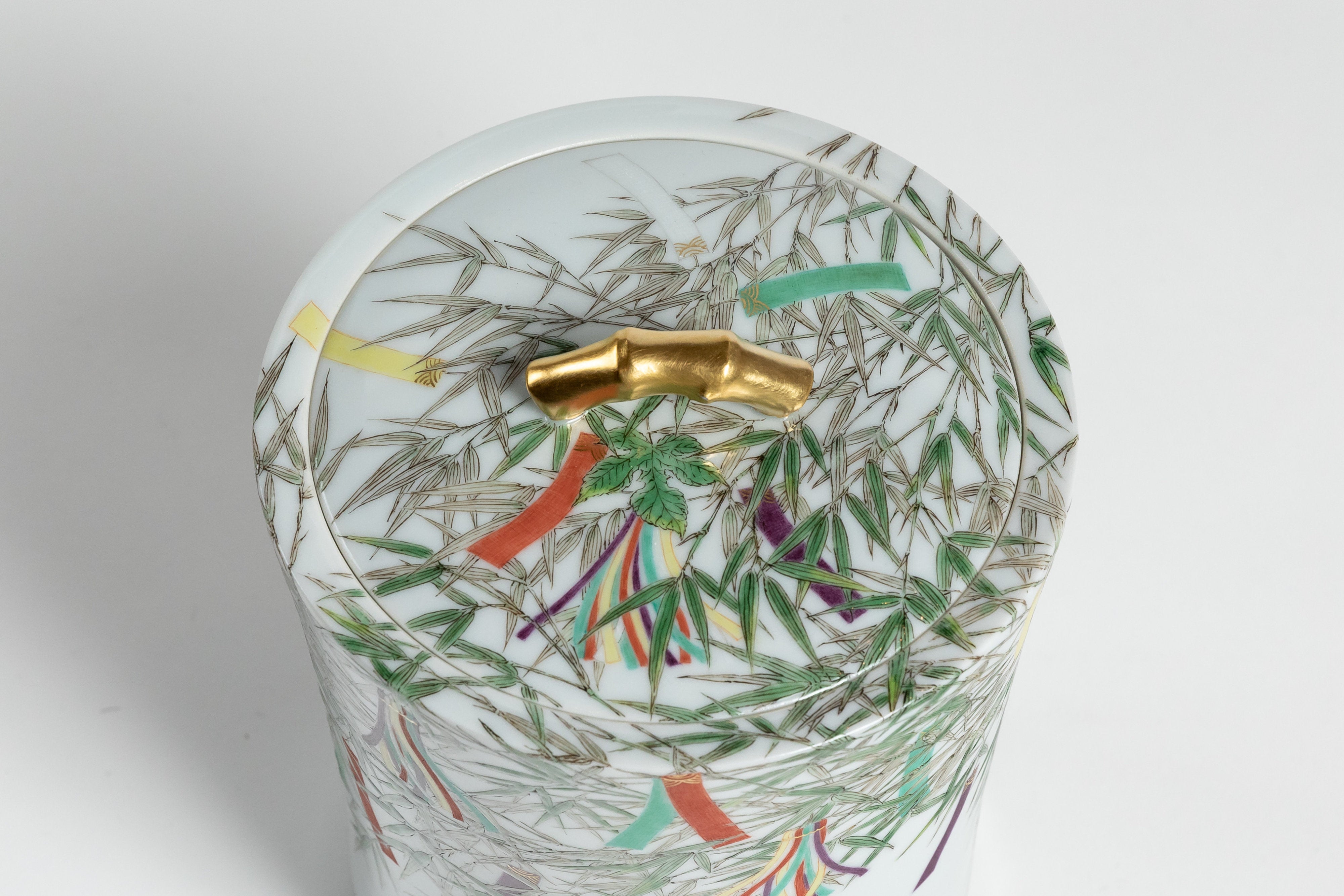
Five-colored Tanzaku
Red, white, blue, purple and yellow: a color scheme based on yin-yang and the Five Elements, each color carrying one of the virtues (benevolence, righteousness, propriety, wisdom and fidelity). They also symbolize the wish that children grow in character and moral sense.
Kaji (Paper Mulberry) Leaves
Since ancient times kaji leaves were used in place of tanzaku: a waka poem is written on the leaf in ink and a wish entrusted to it.
An inkstone and brush are also displayed to pray for progress in calligraphy. For those devoted to the arts, Tanabata is a night of special meaning.
Music of Koto and Flute
Because Orihime, the Weaver, was a master of the loom, the festival grew into an occasion to pray for skill in sewing and the arts.
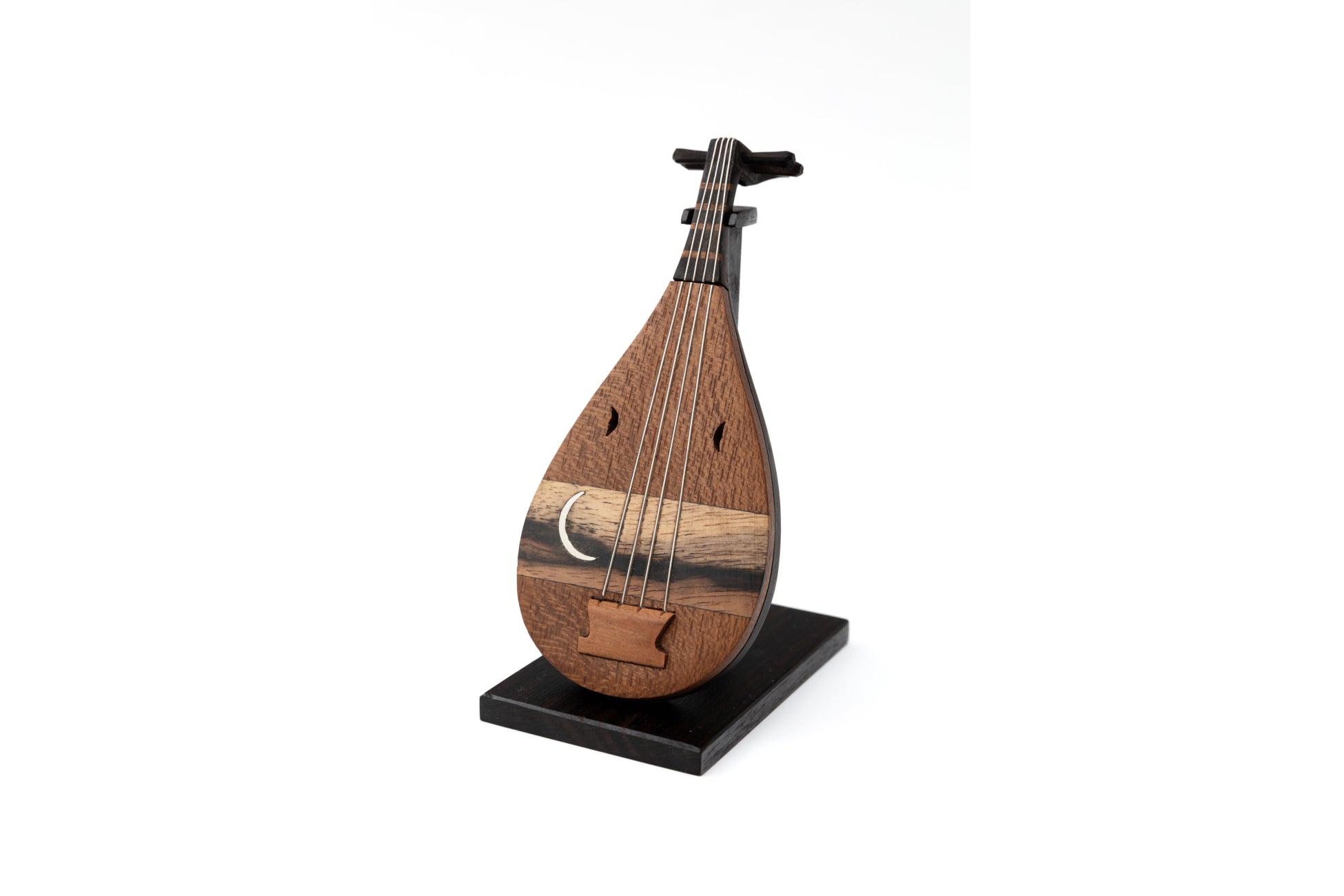
Koto and flute are set out as symbols of the wish to improve in poetry and music.
At Ginza Ippodo we present works that follow the turning of the seasons. We hope you will continue to enjoy them.
Collection
Tango no Sekku at Ginza Ippodo list
This site also lists works that are no longer available, for your reference.
If you wish to purchase, please use the Inquiry button on the work's page.